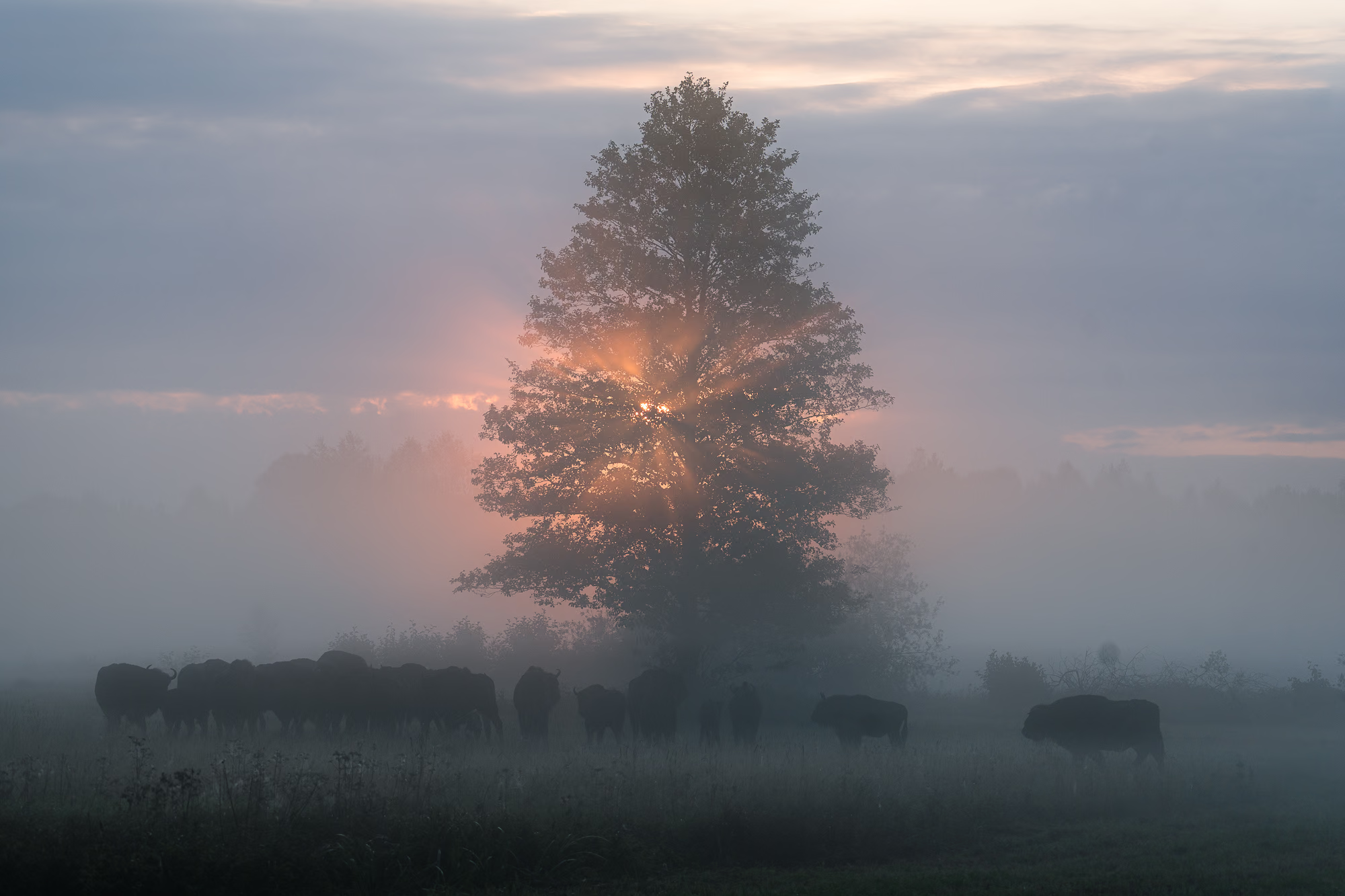
Poland, located in Central Europe, is home to many species. And what many don’t know: Poland has 23 national parks, making it one of the European countries with the most national parks. One of these is the Białowieża National Park, established in 1923 in the far east of the country on the border with Belarus.
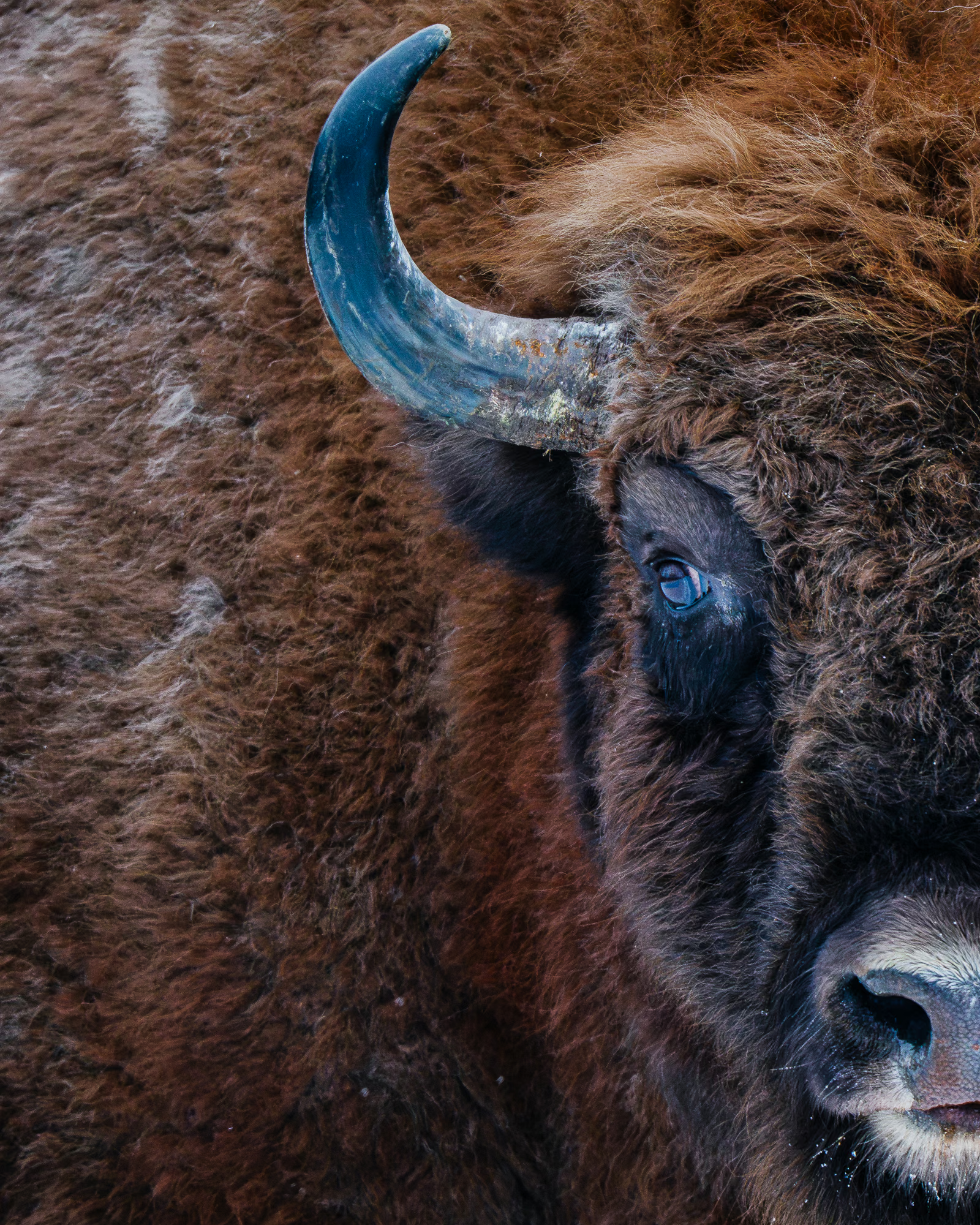
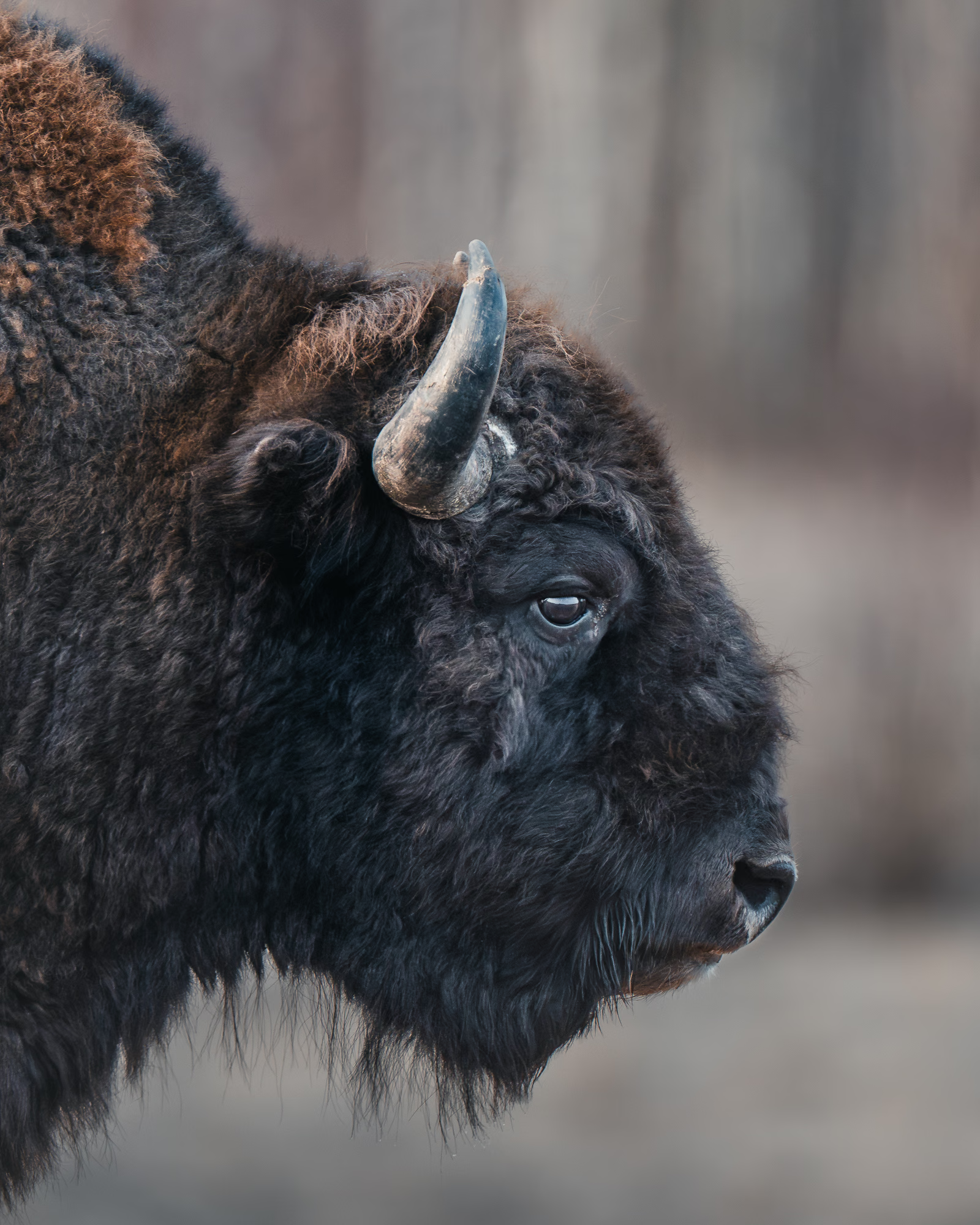
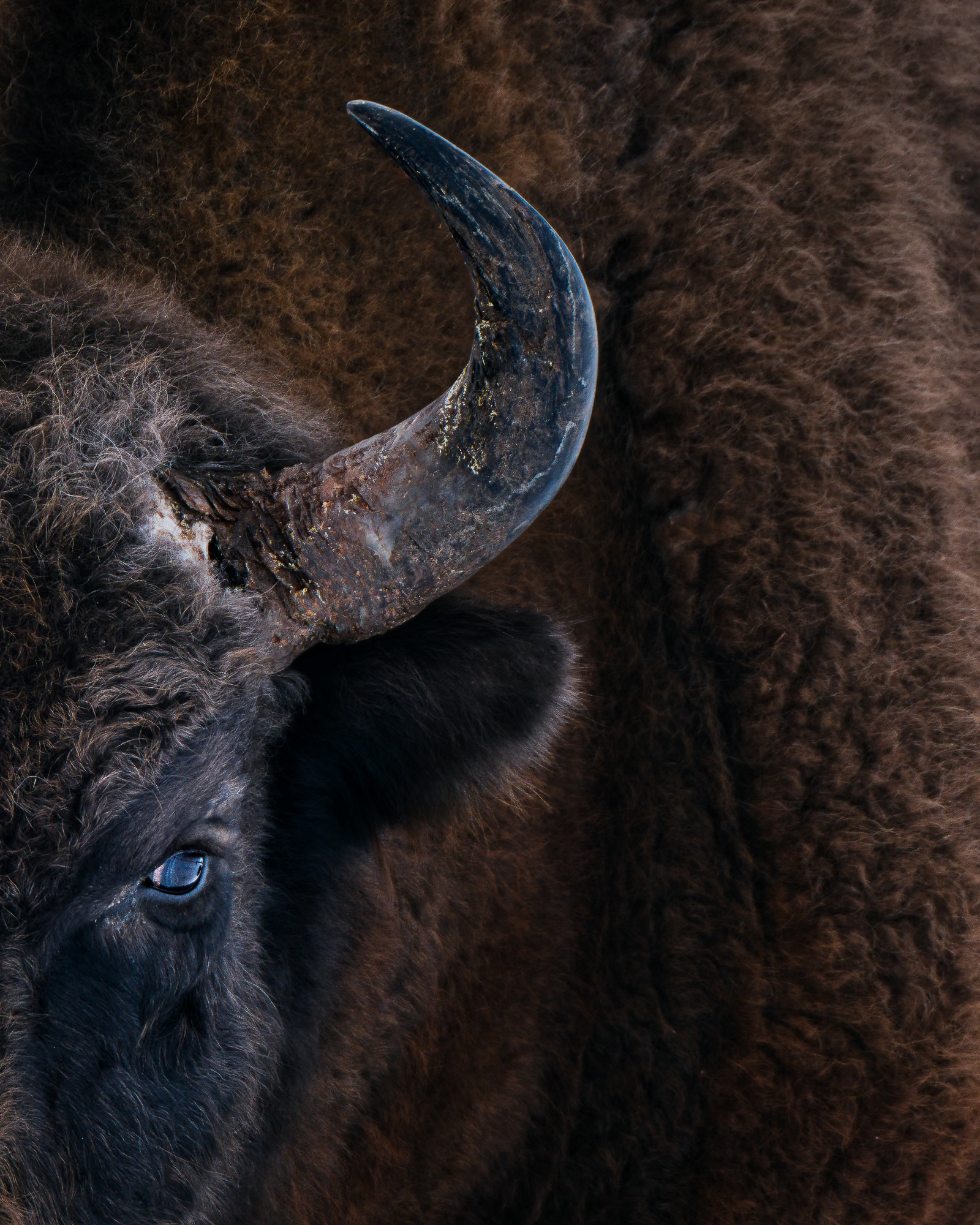
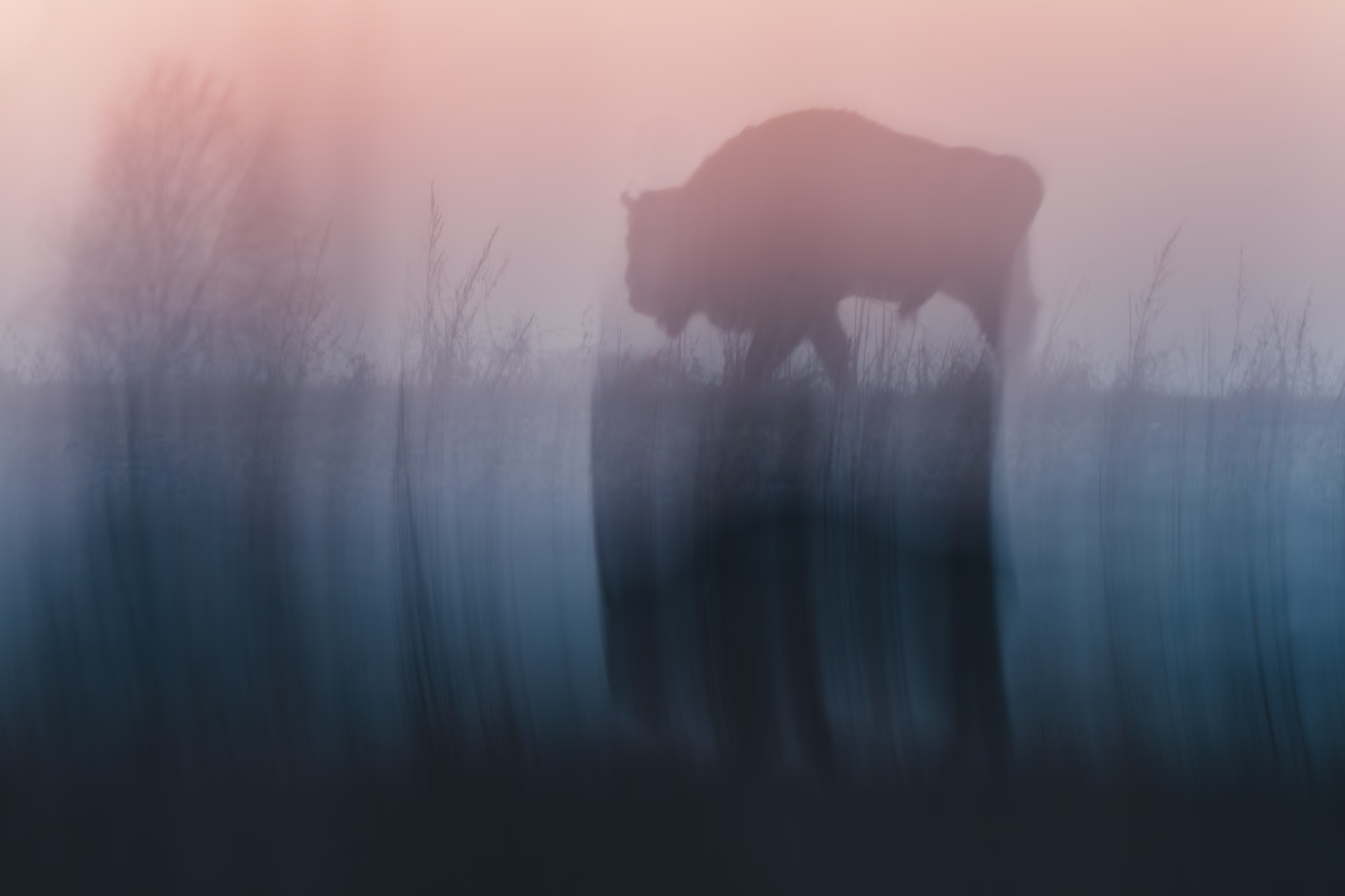
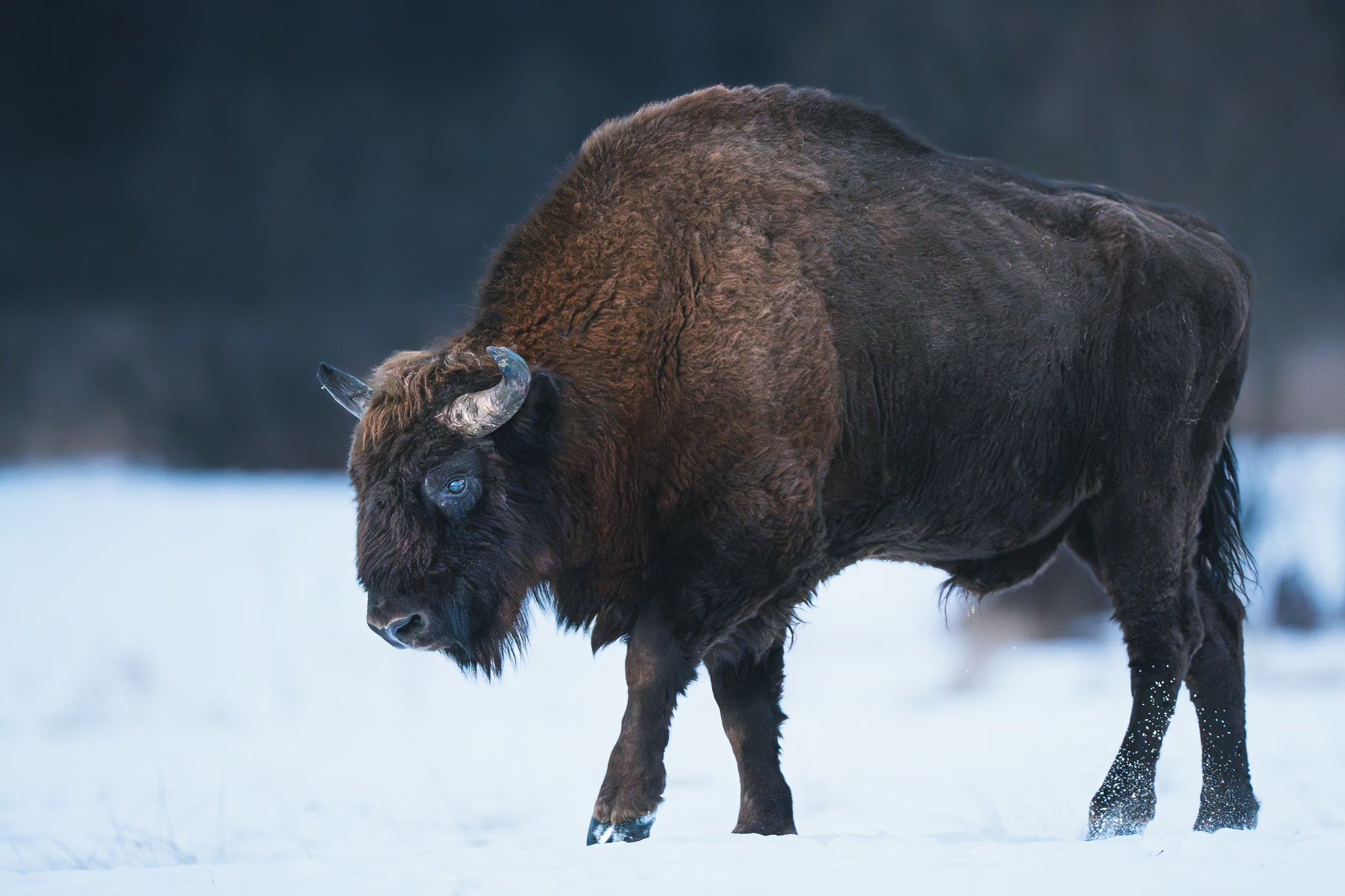
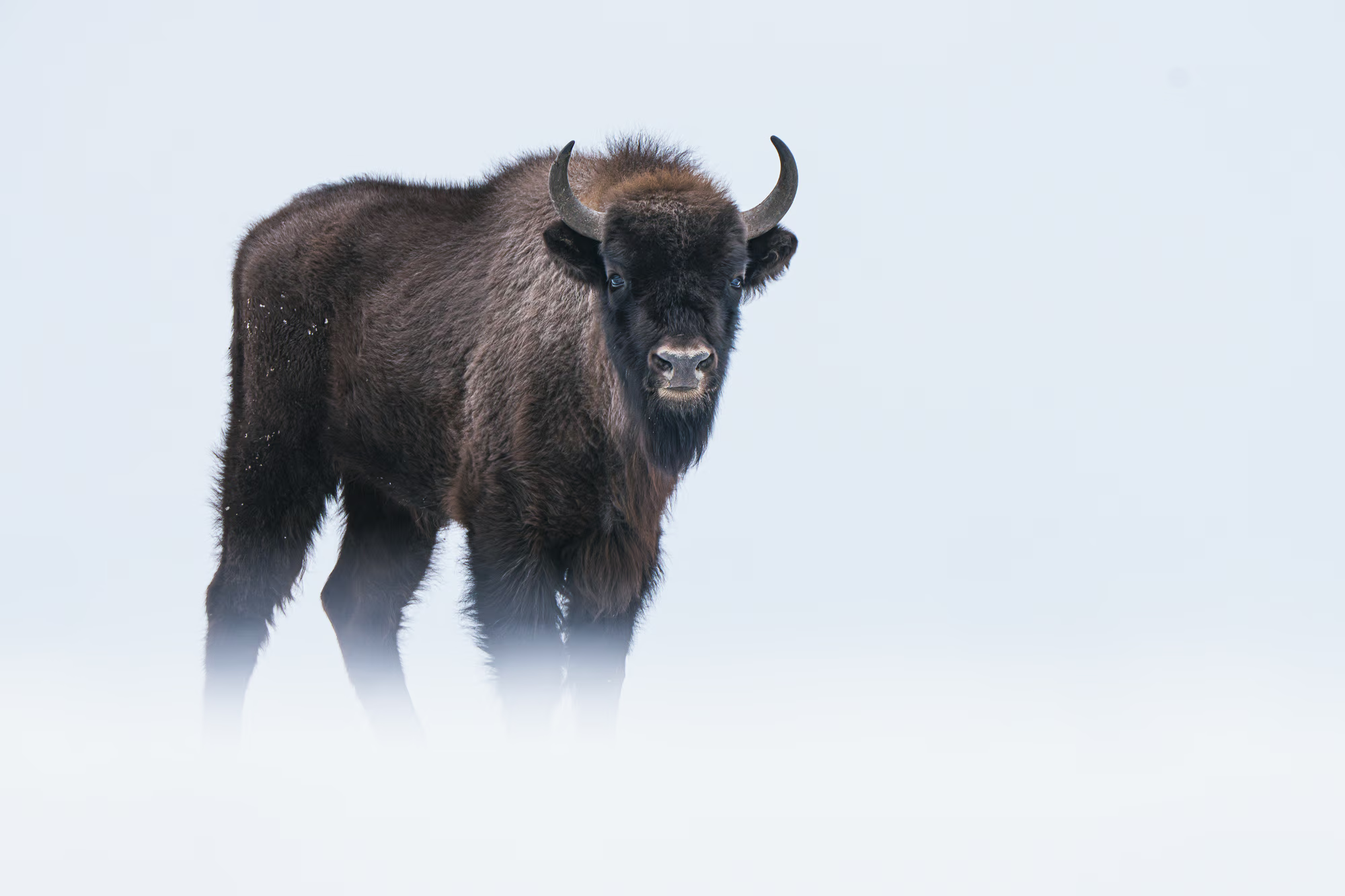
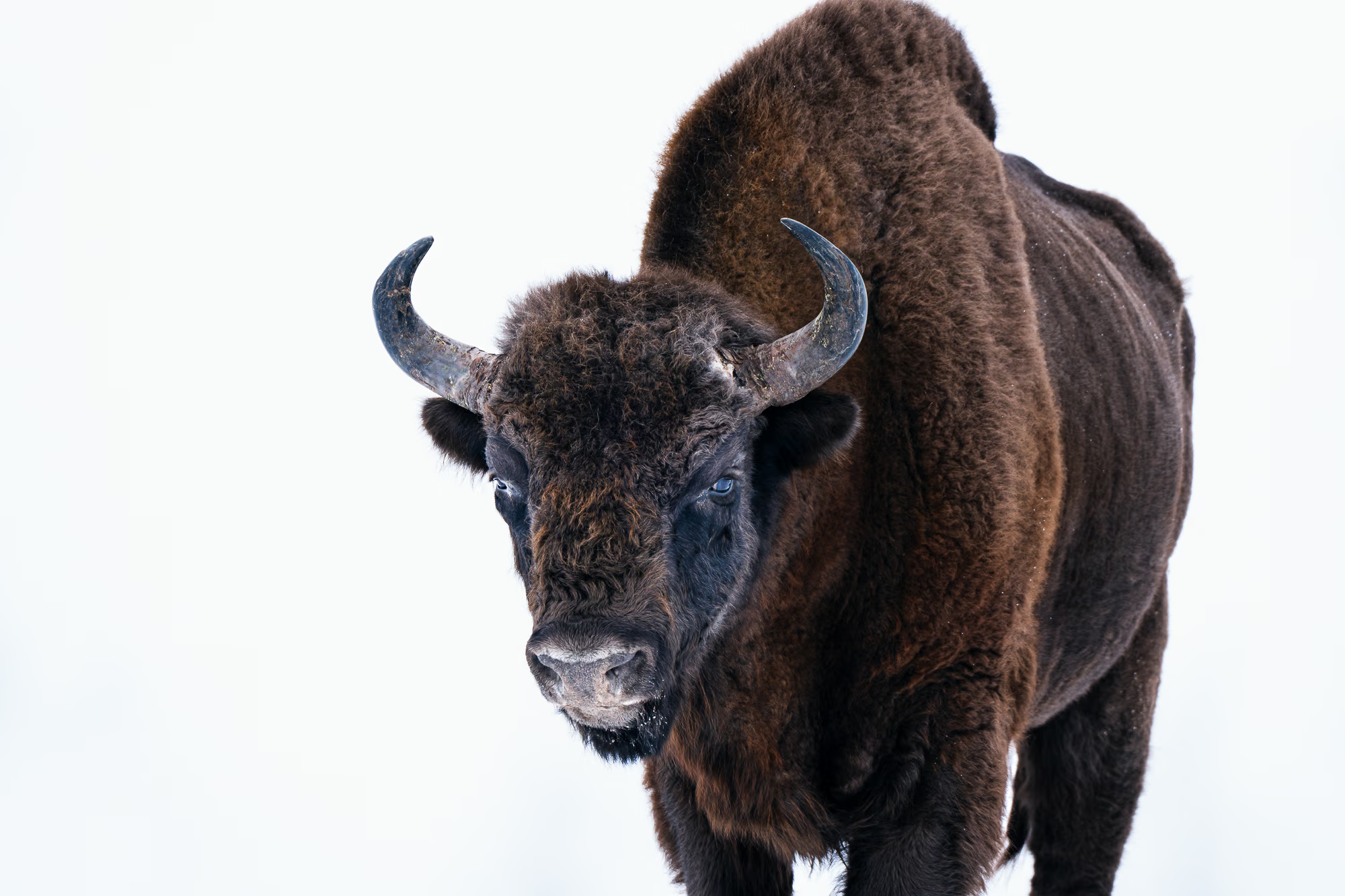
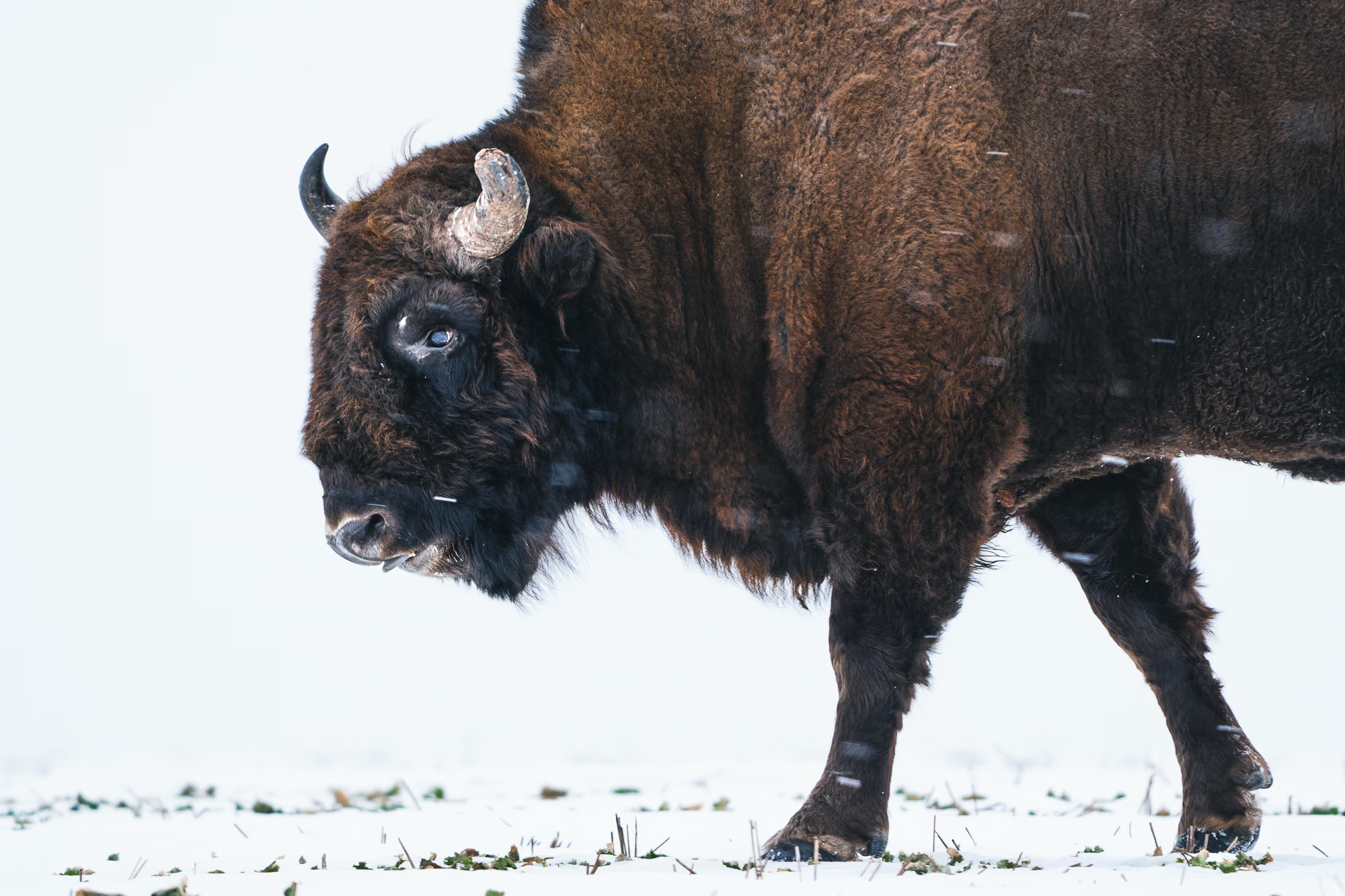
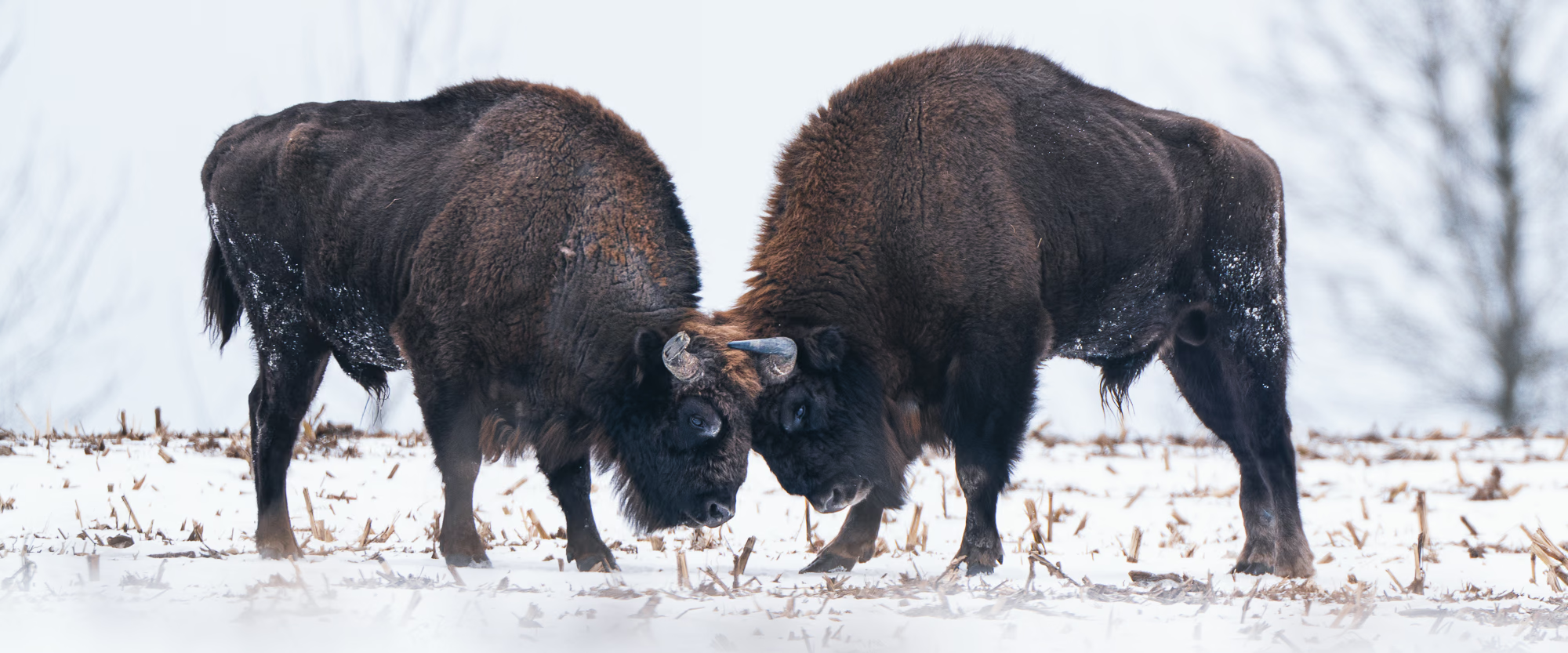
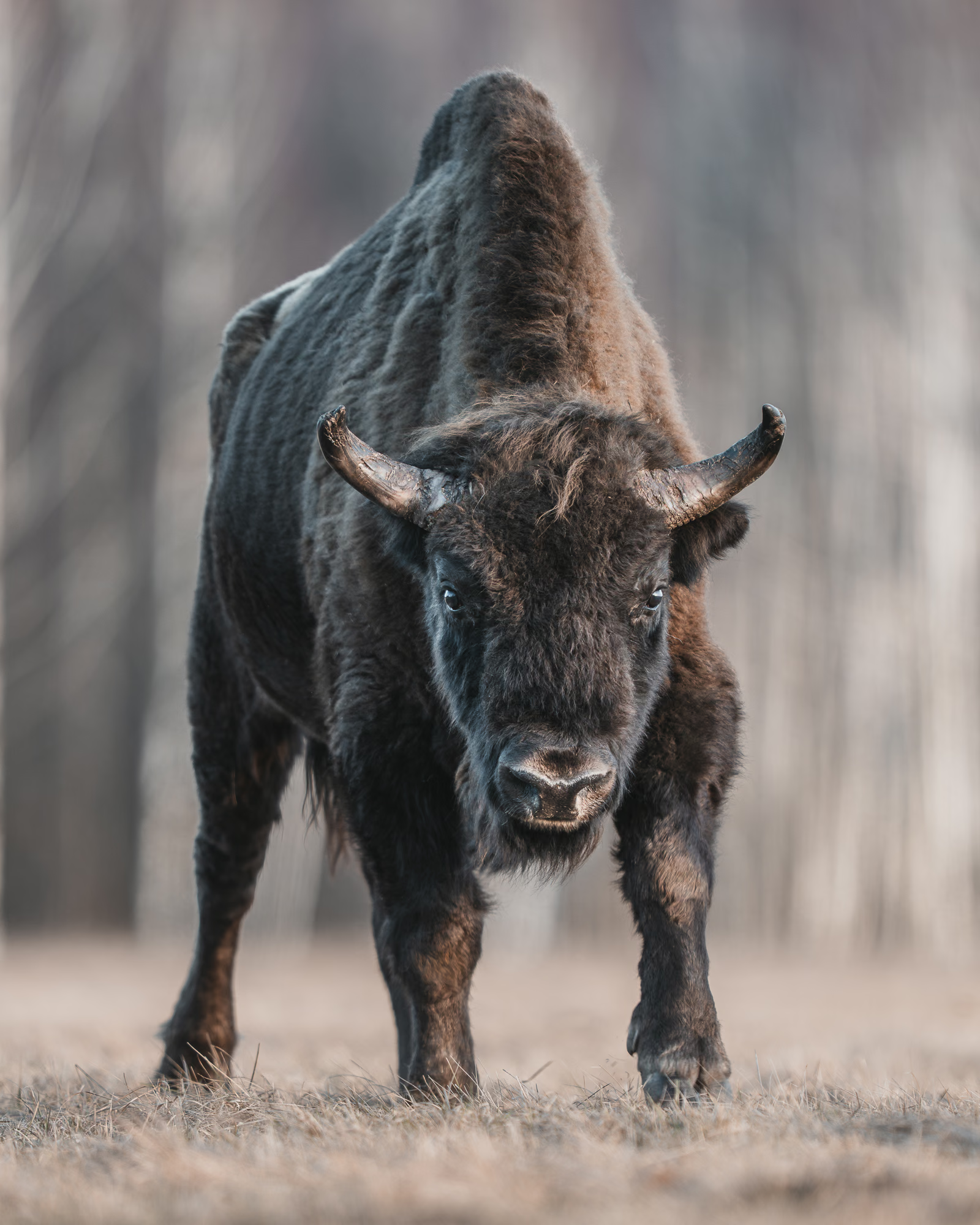
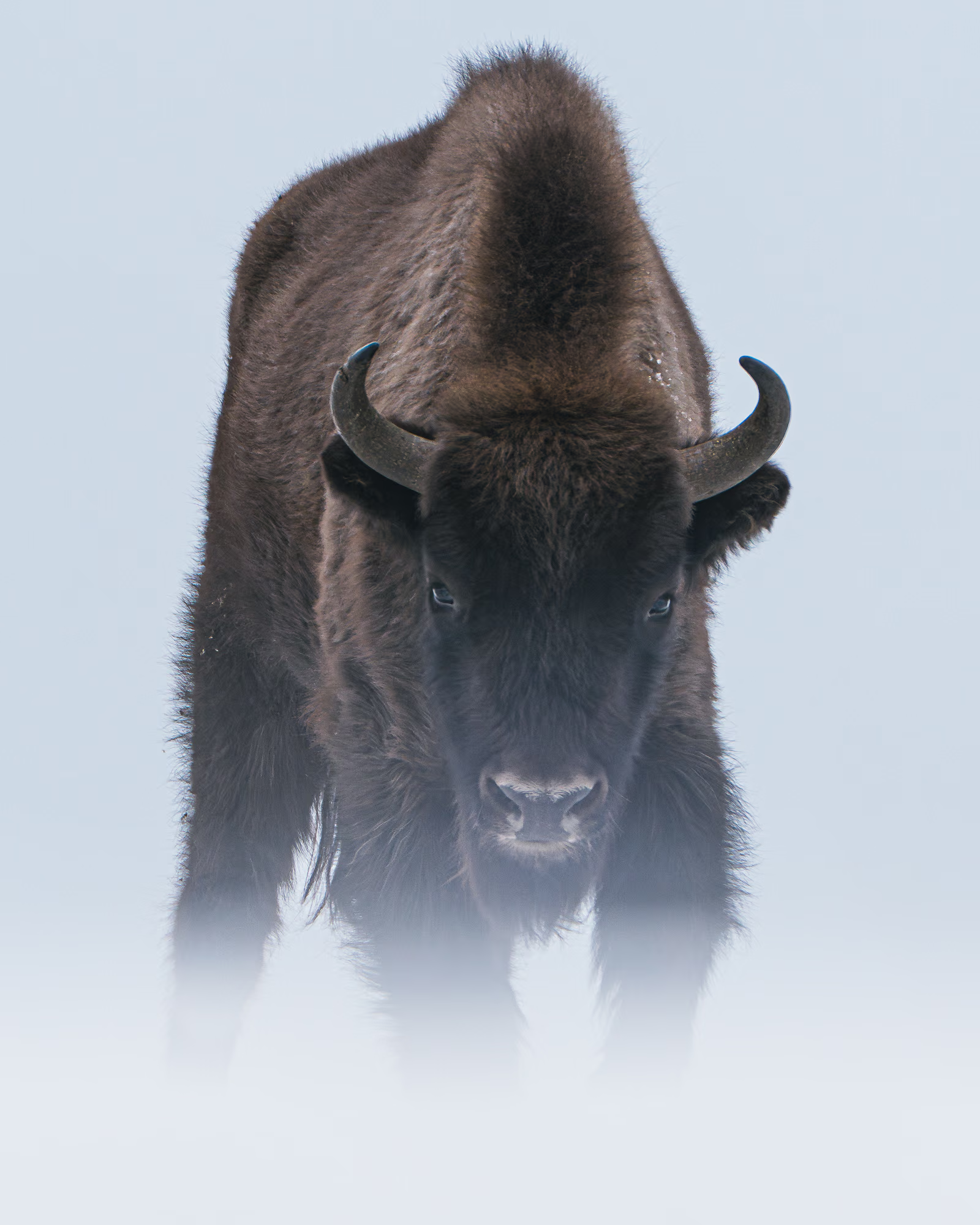
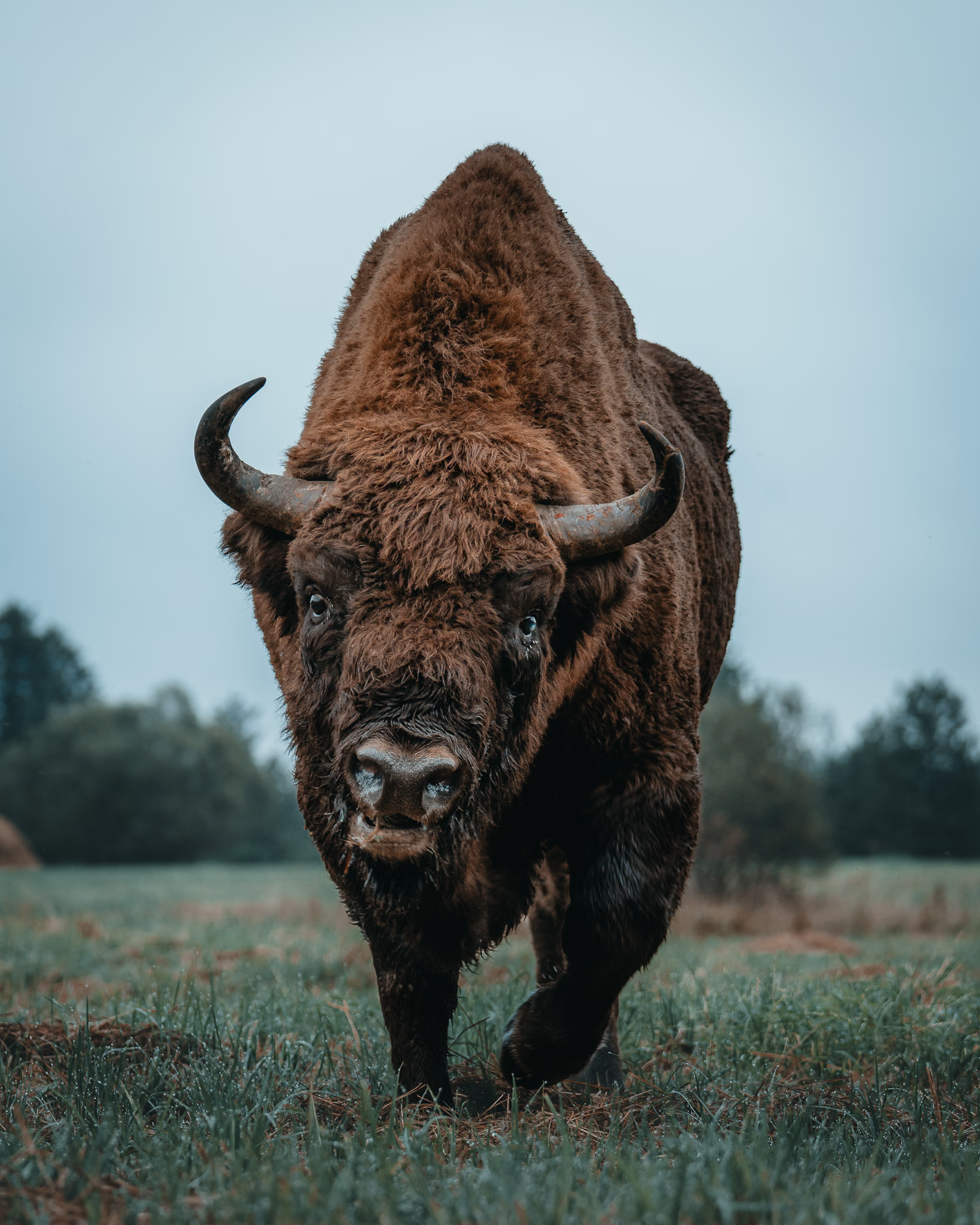
The Białowieża National Park is known not only as the last primeval lowland forest in Europe, but also, and perhaps most importantly, as the home of the heaviest and largest land mammal – the European bison.

Poland, located in Central Europe, is home to many species. And what many don’t know: Poland has 23 national parks, making it one of the European countries with the most national parks. One of these is the Białowieża National Park, established in 1923 in the far east of the country on the border with Belarus.
The Białowieża National Park is known not only as the last primeval lowland forest in Europe, but also, and perhaps most importantly, as the home of the heaviest and largest land mammal – the European bison.
Białowieża Forest
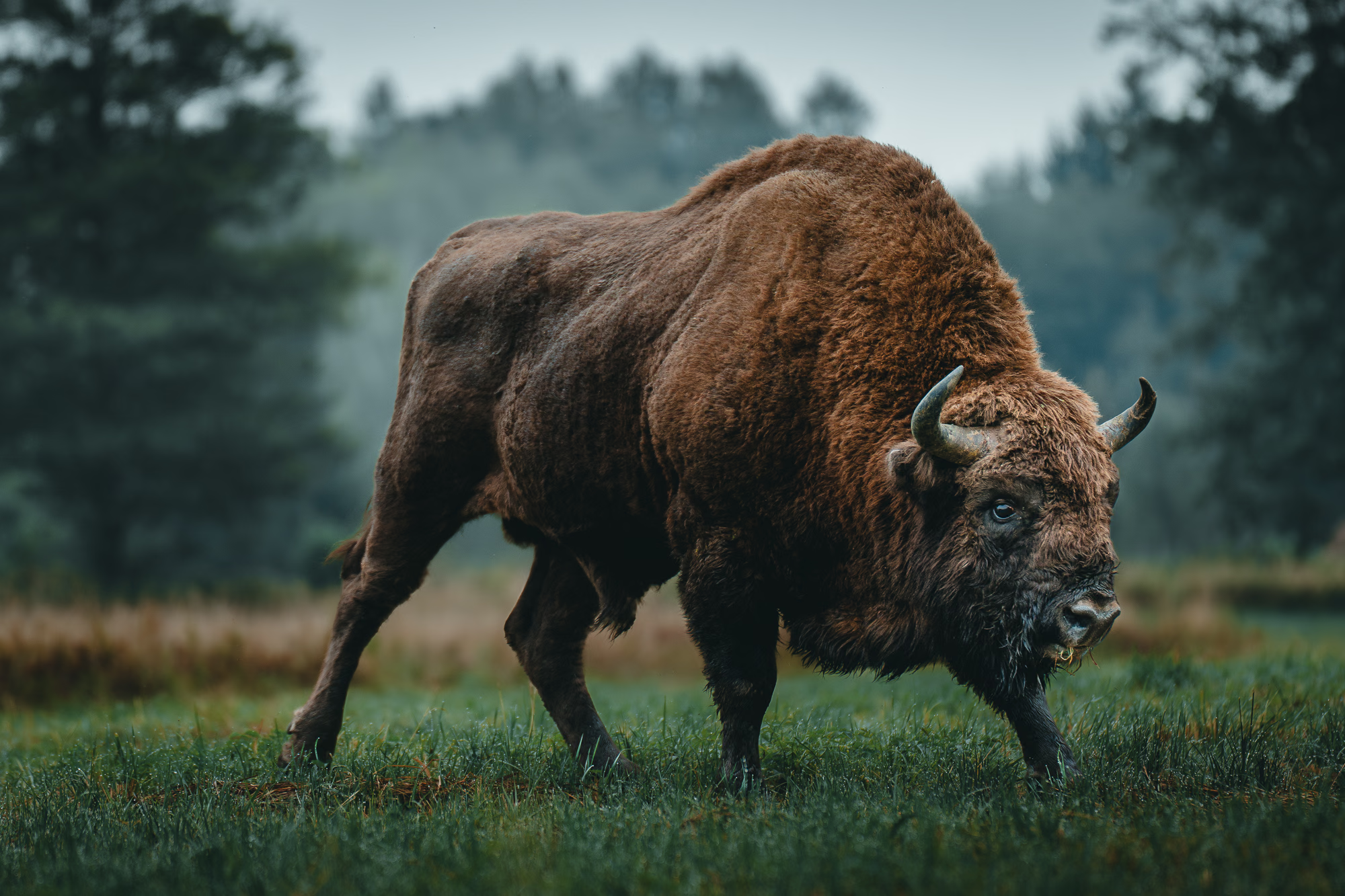
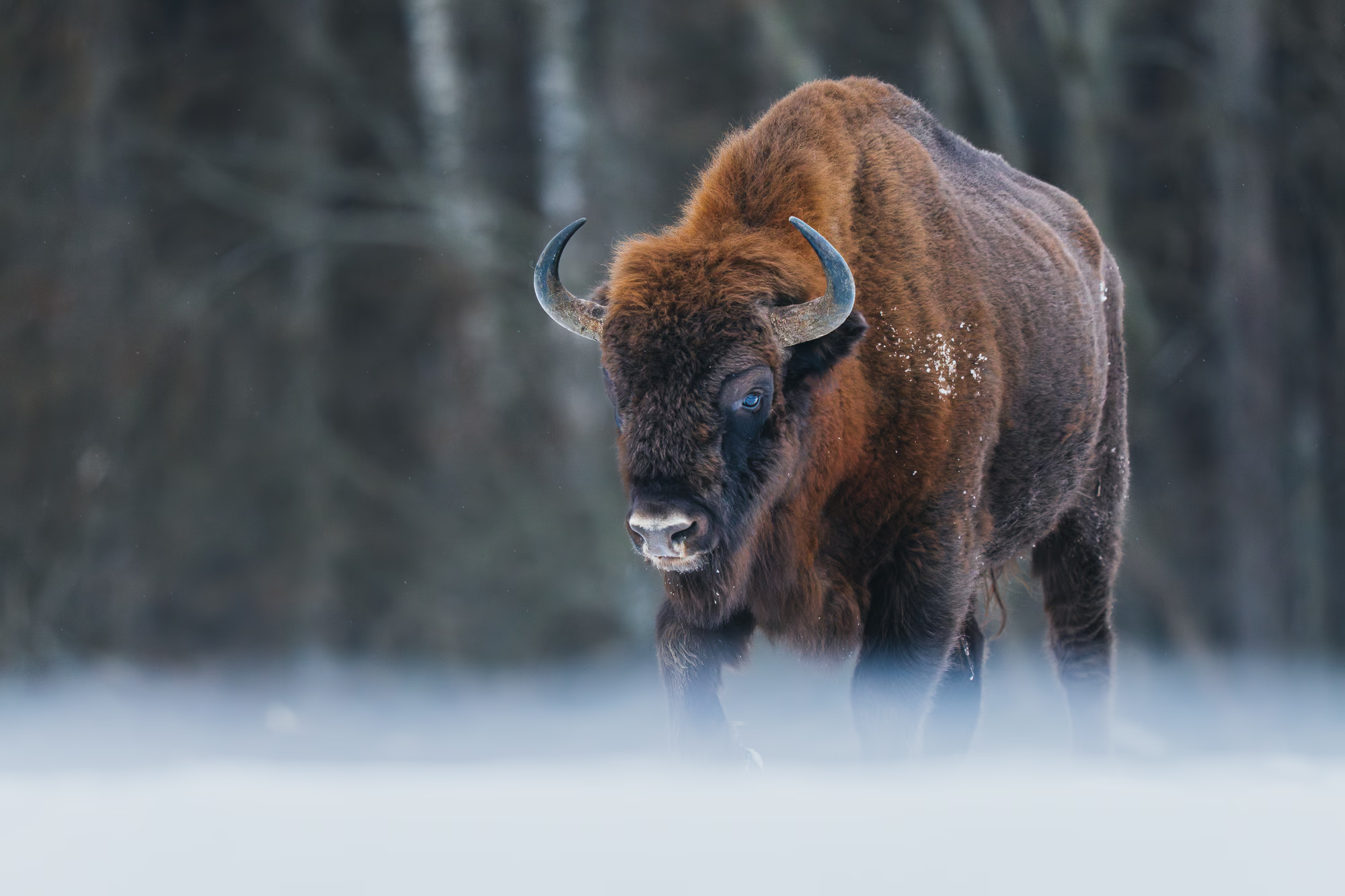
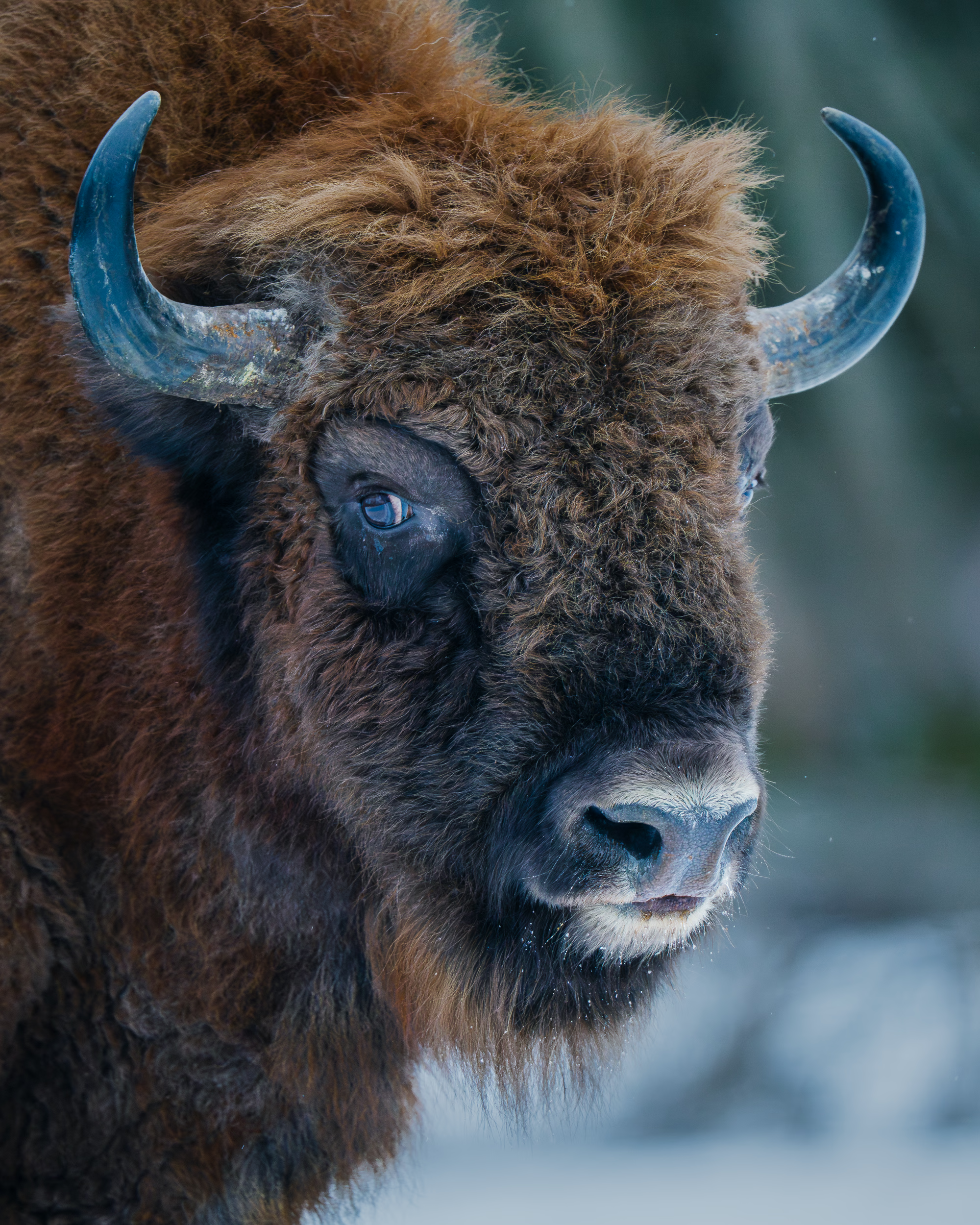
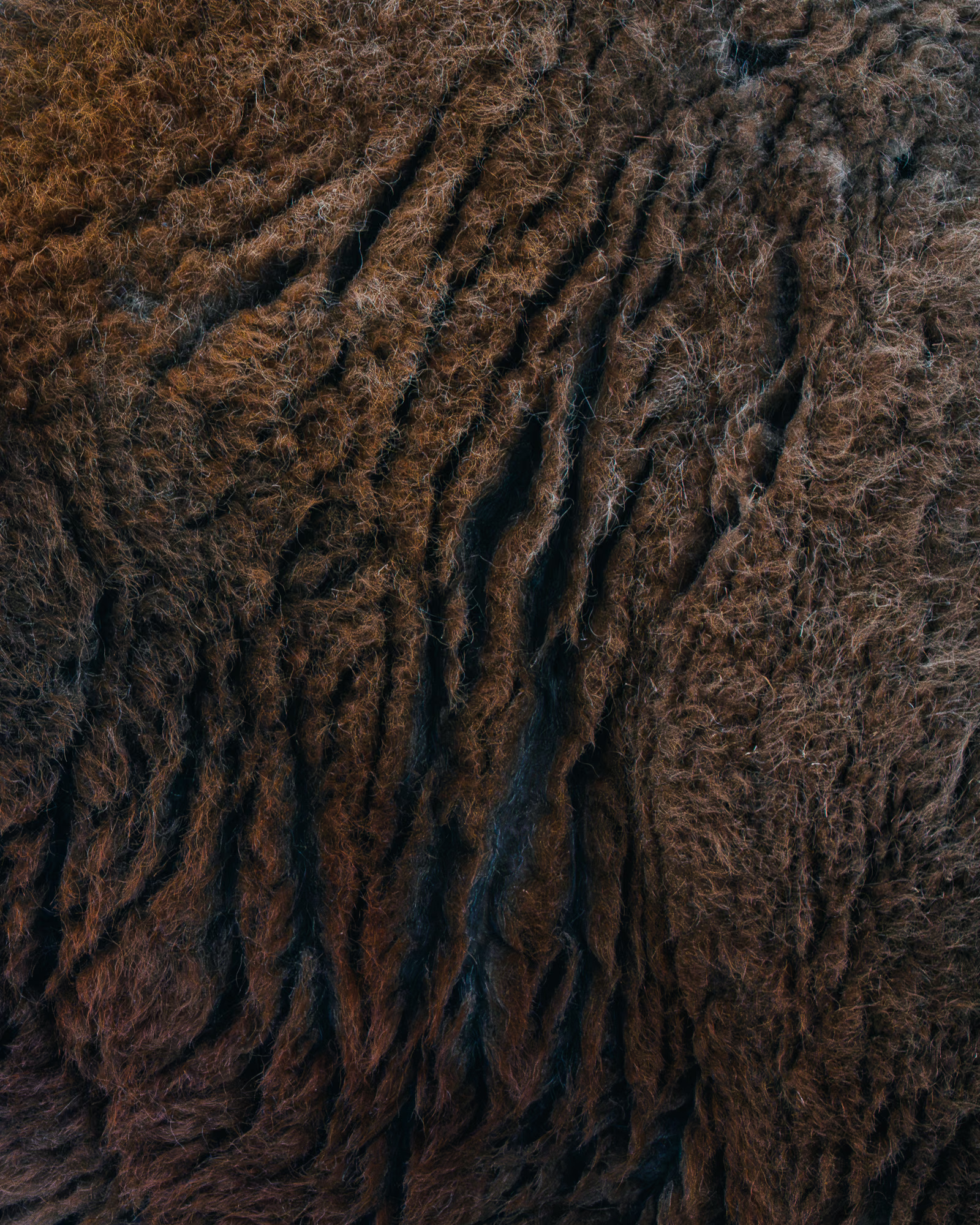
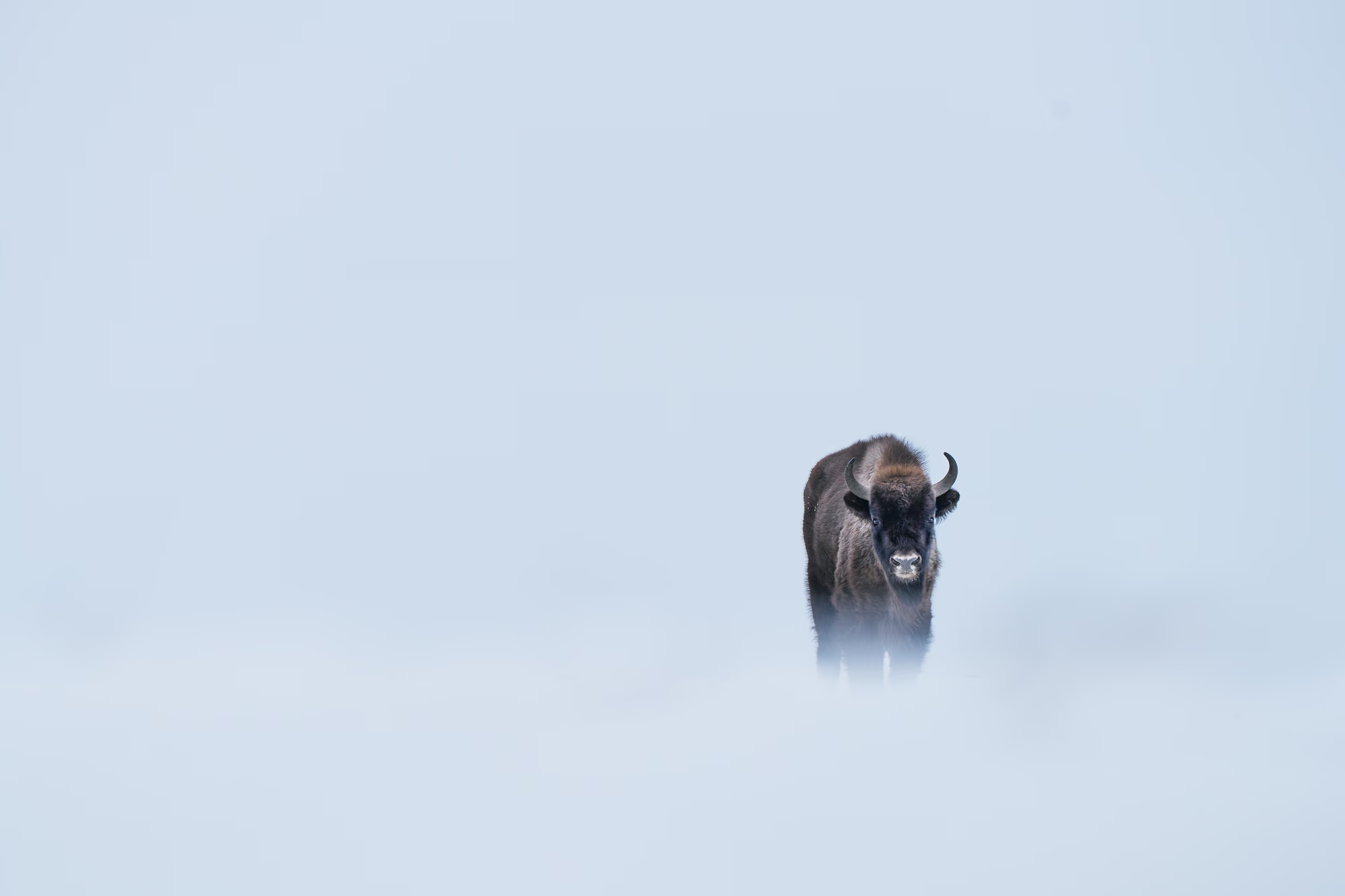
Encountering and photographing the European bison was like a journey through space and time, giving us a glimpse of what it must have been like when hundreds of thousands of these giants roamed the vast expanses of the land. For us, the bison is a symbol of freedom and wildness.
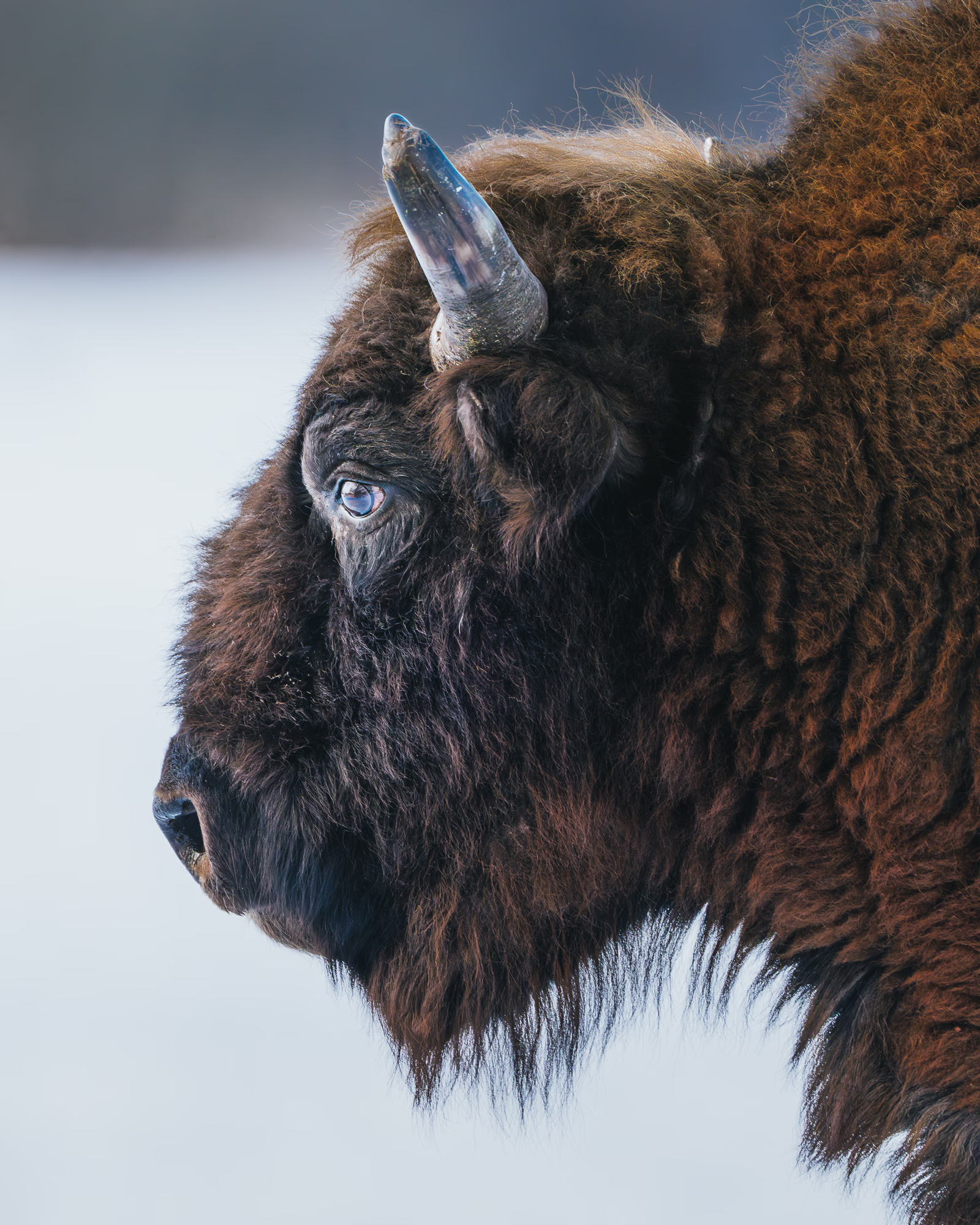
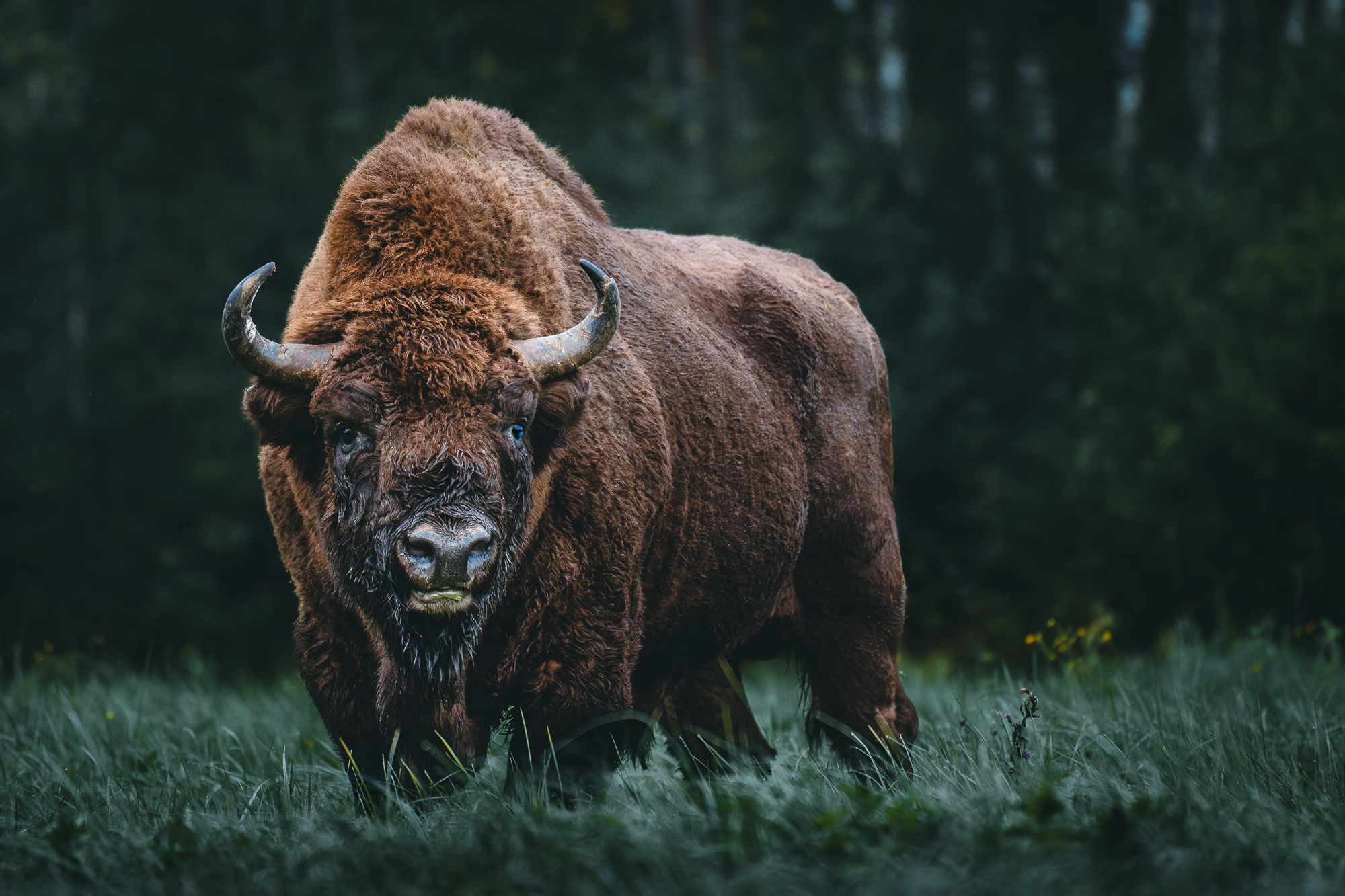
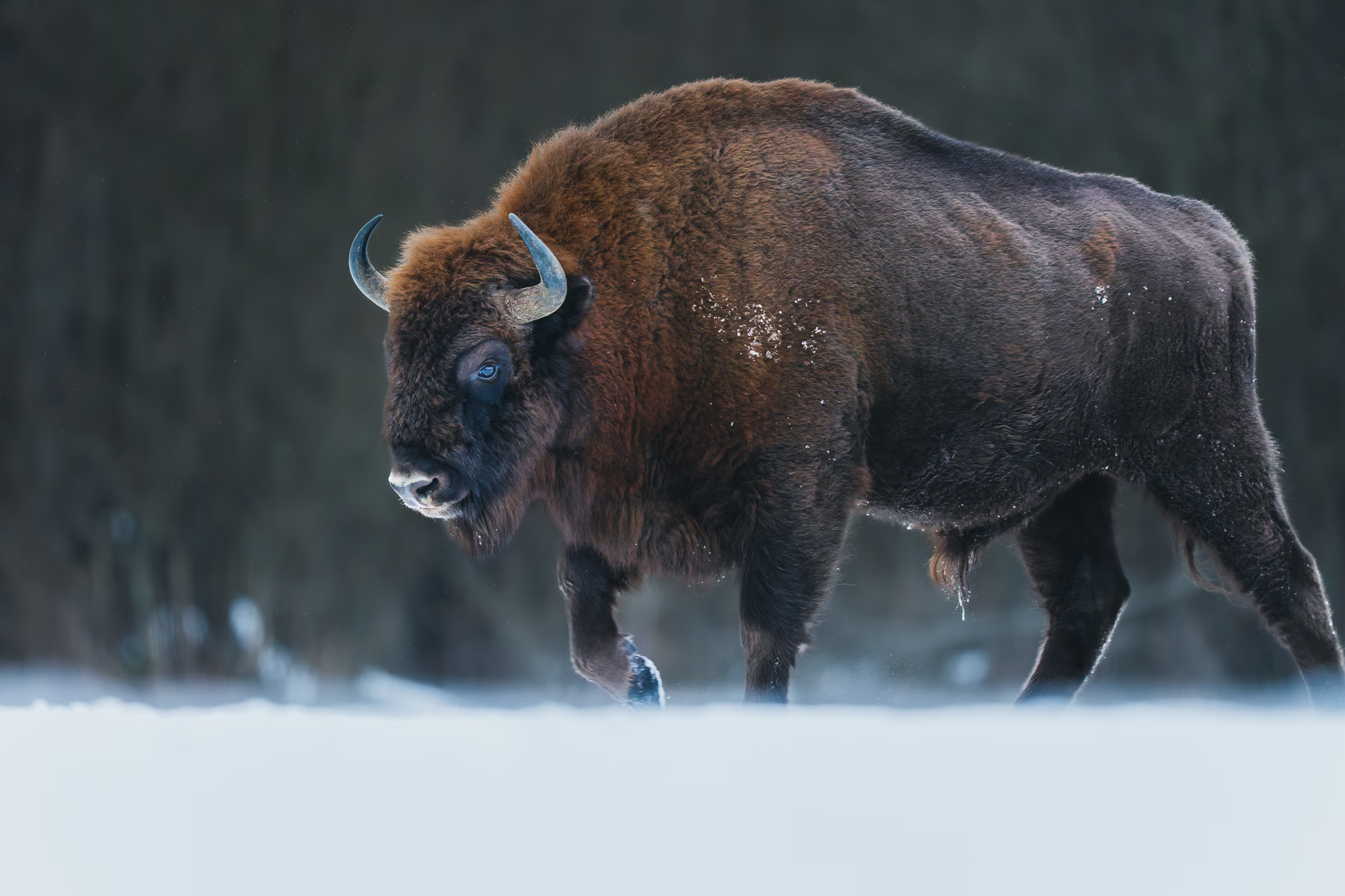
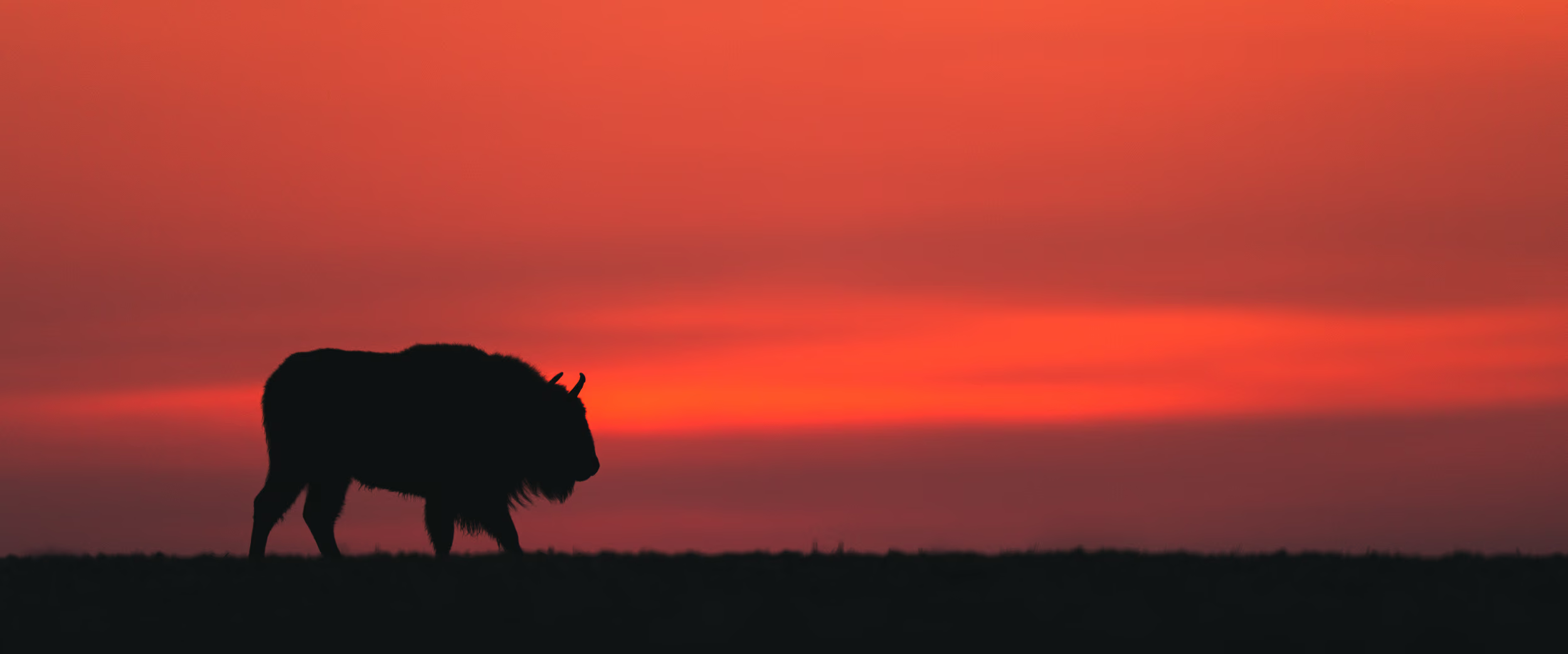
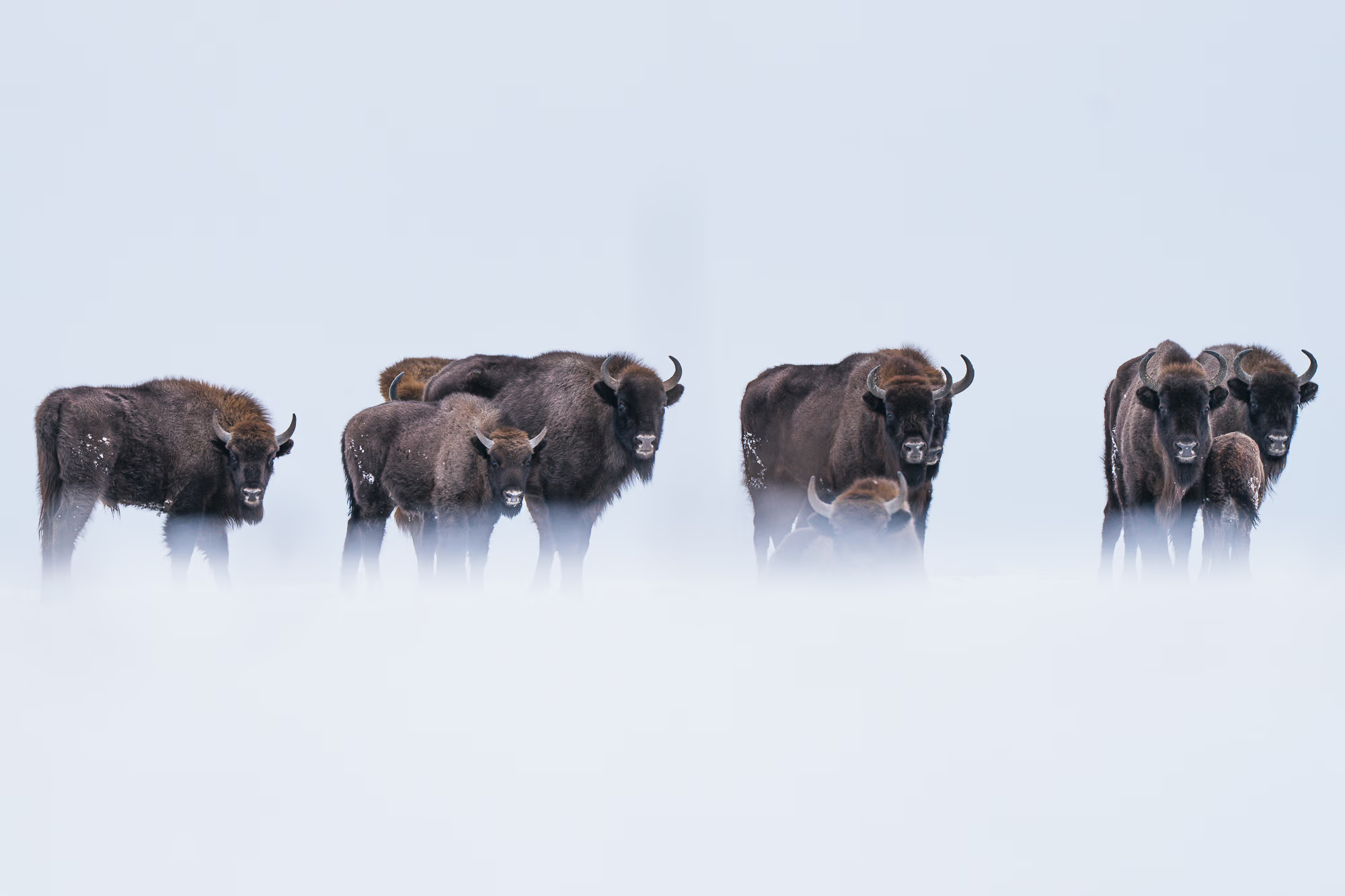
To capture the bison on camera in all its facets and through the changing seasons, we traveled to Poland several times for extended stays. While the animals mainly stayed in the cool forest during the summer months and were only found in open areas at sunrise and sunset, in winter we could sometimes photograph them all day long in fields and meadows in the transition zone between national park and agriculture.
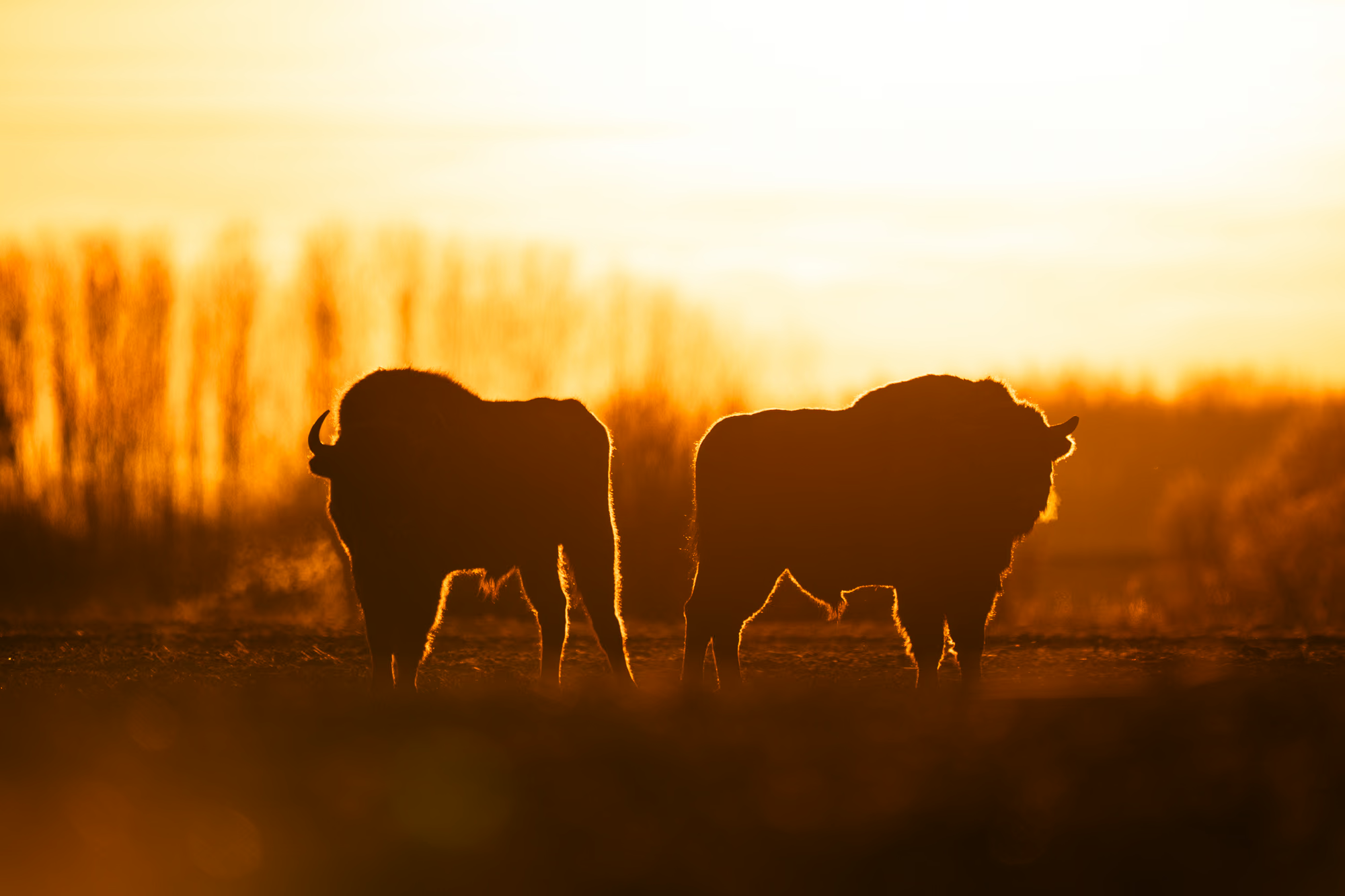
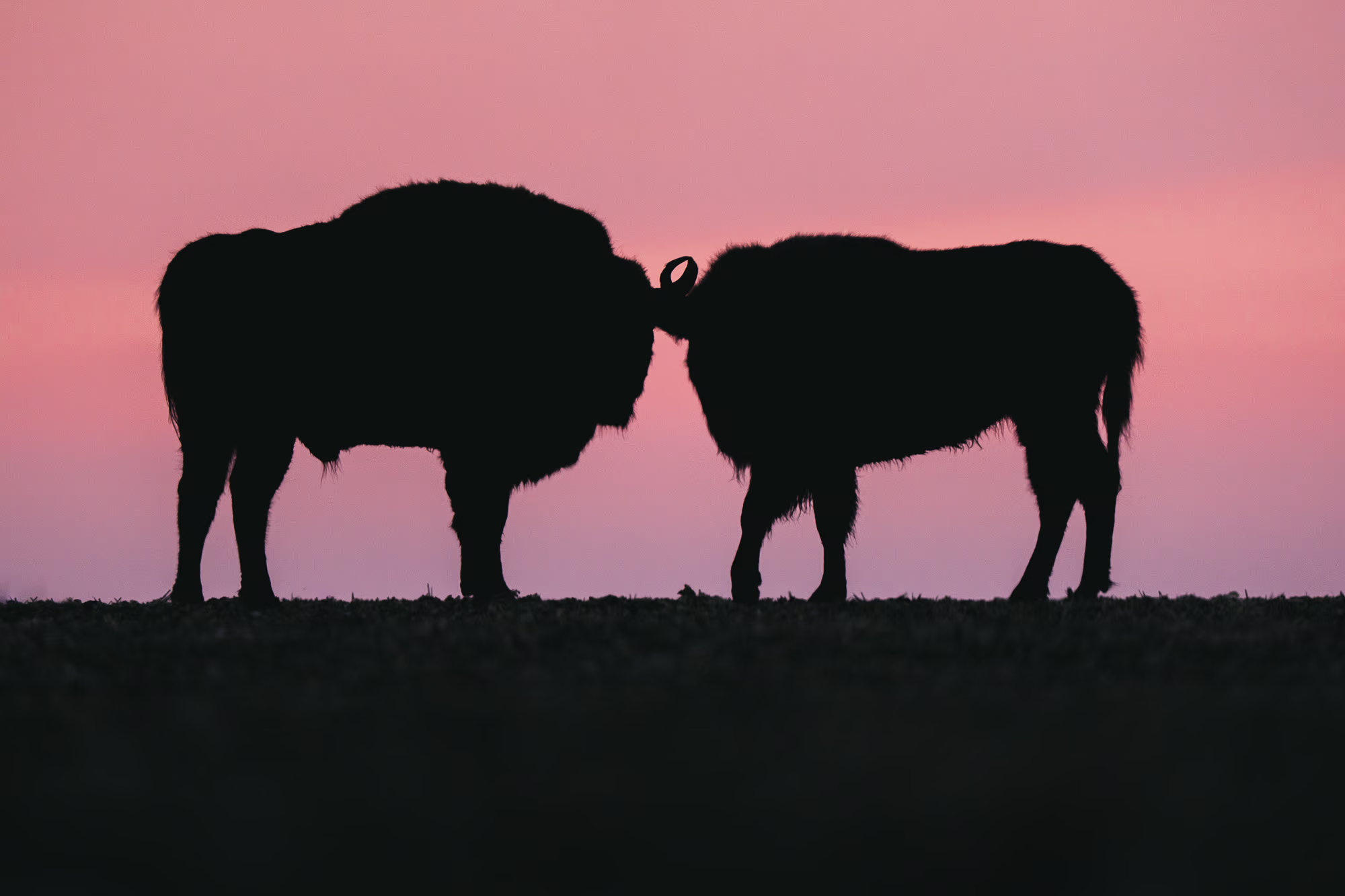
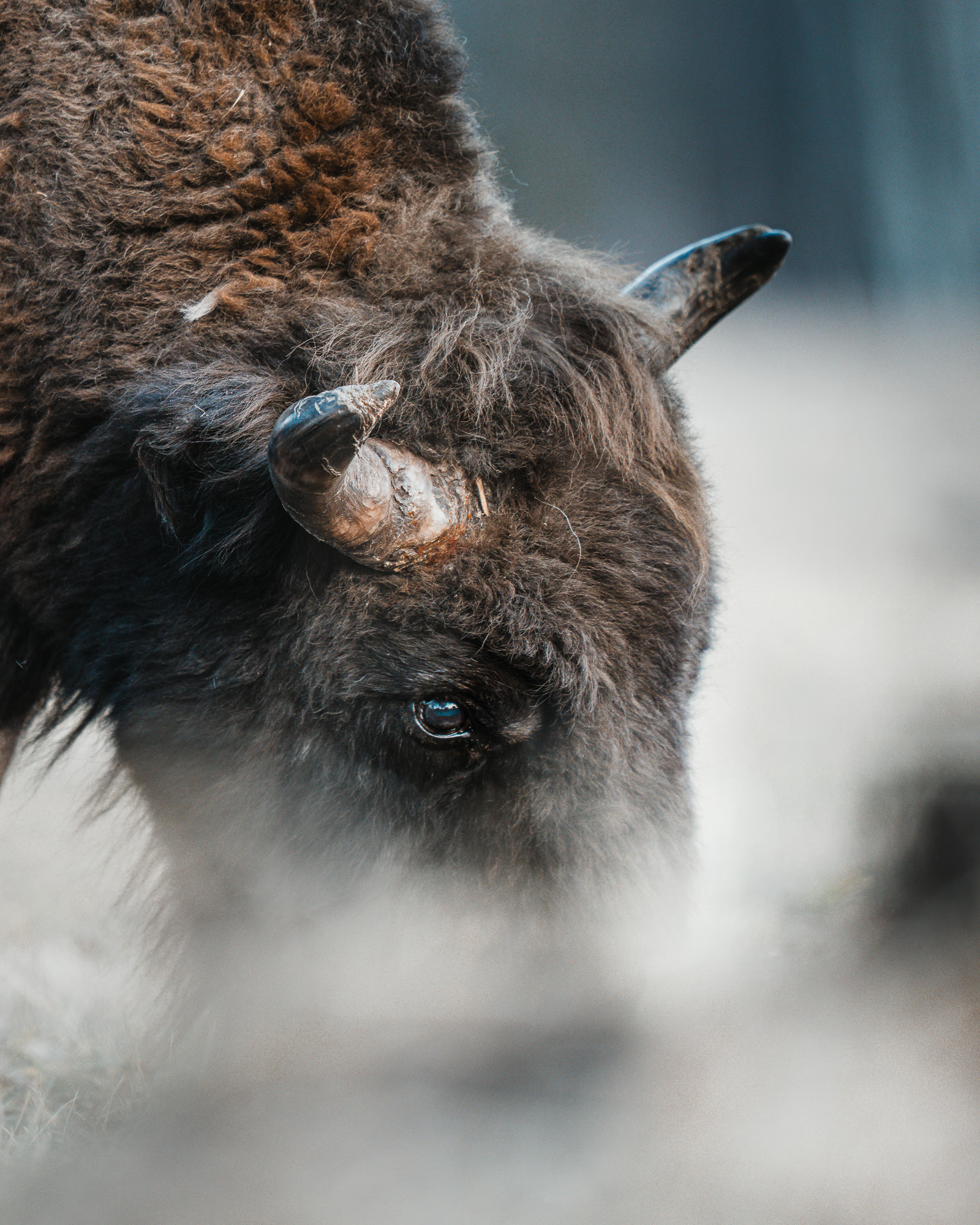
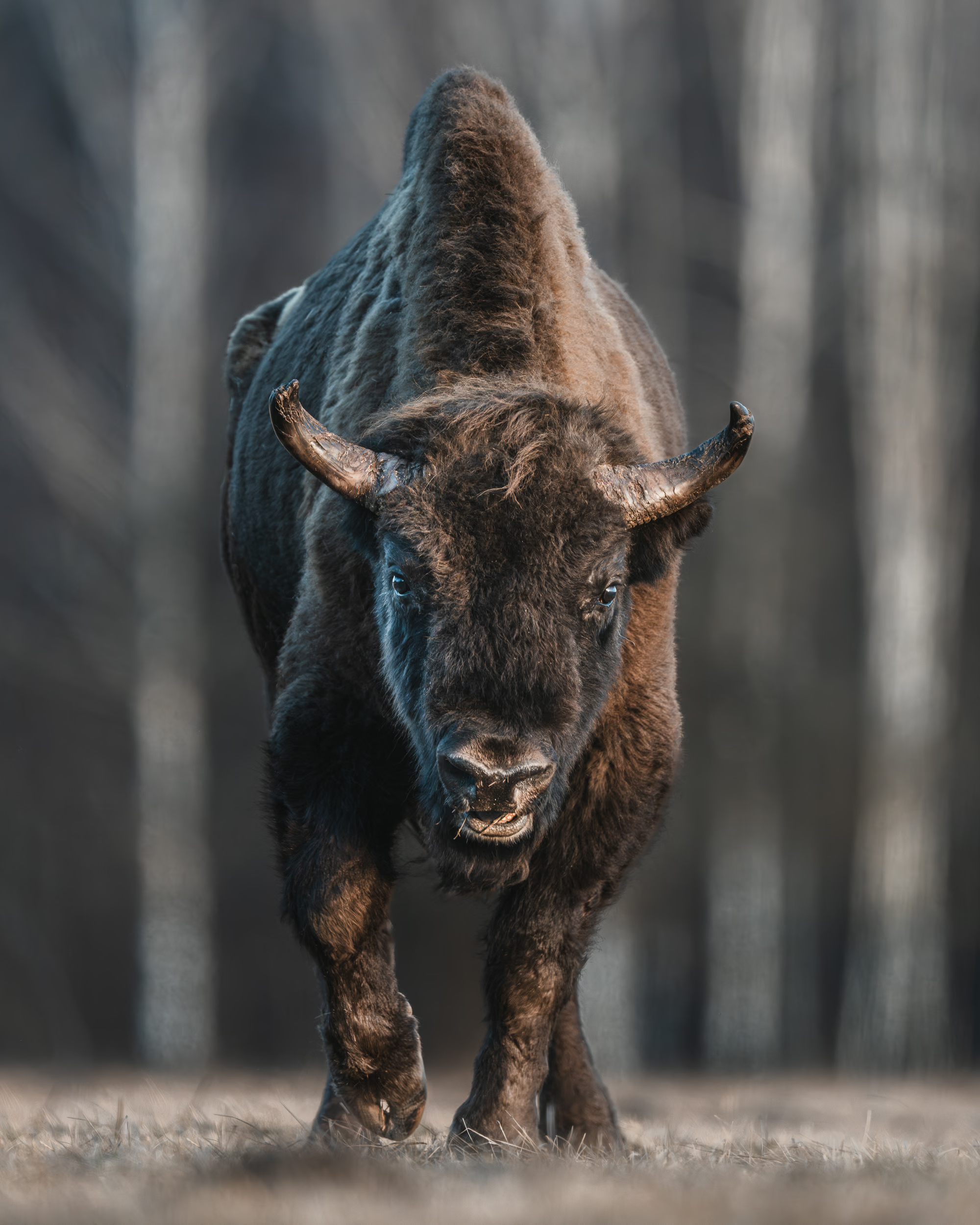
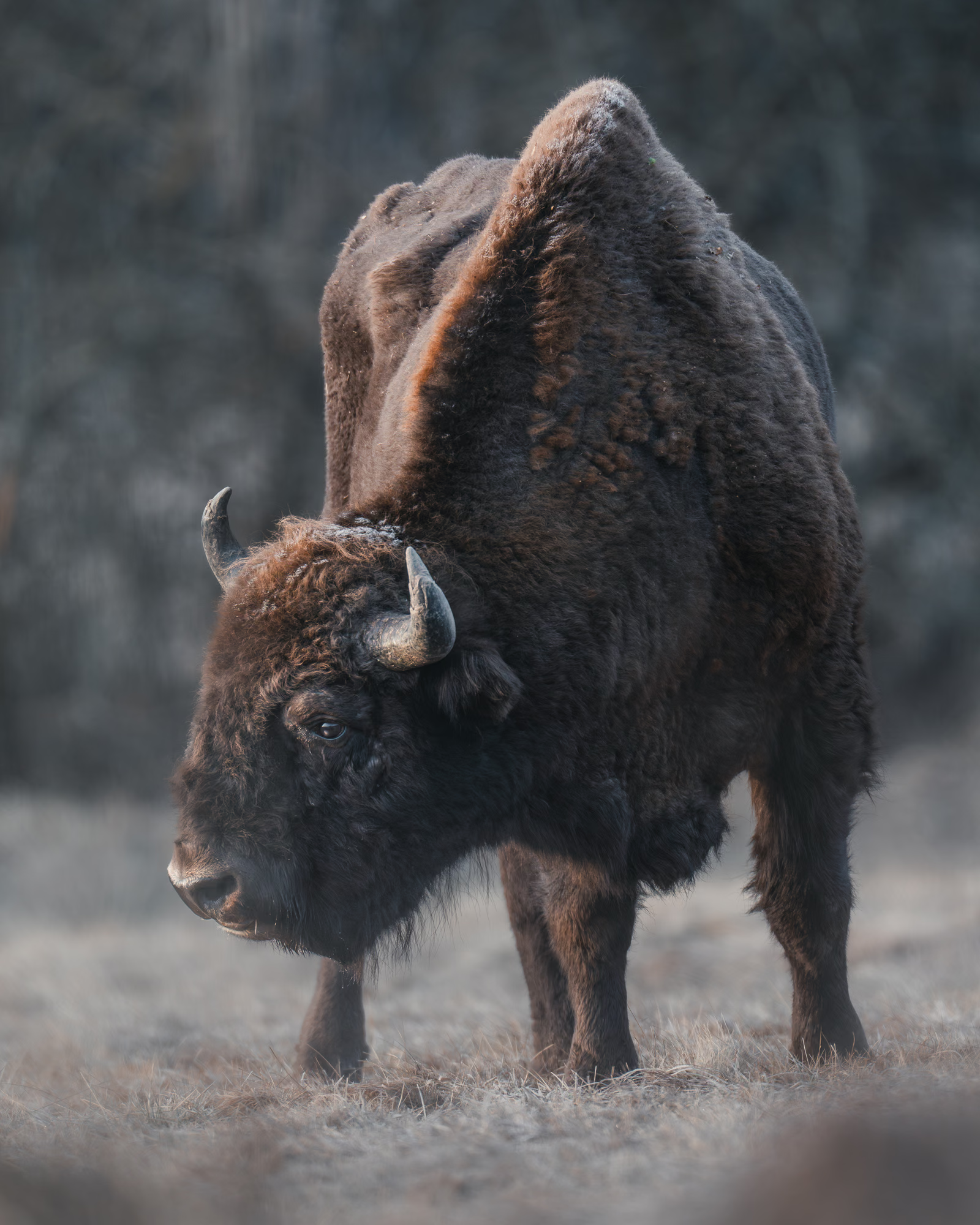
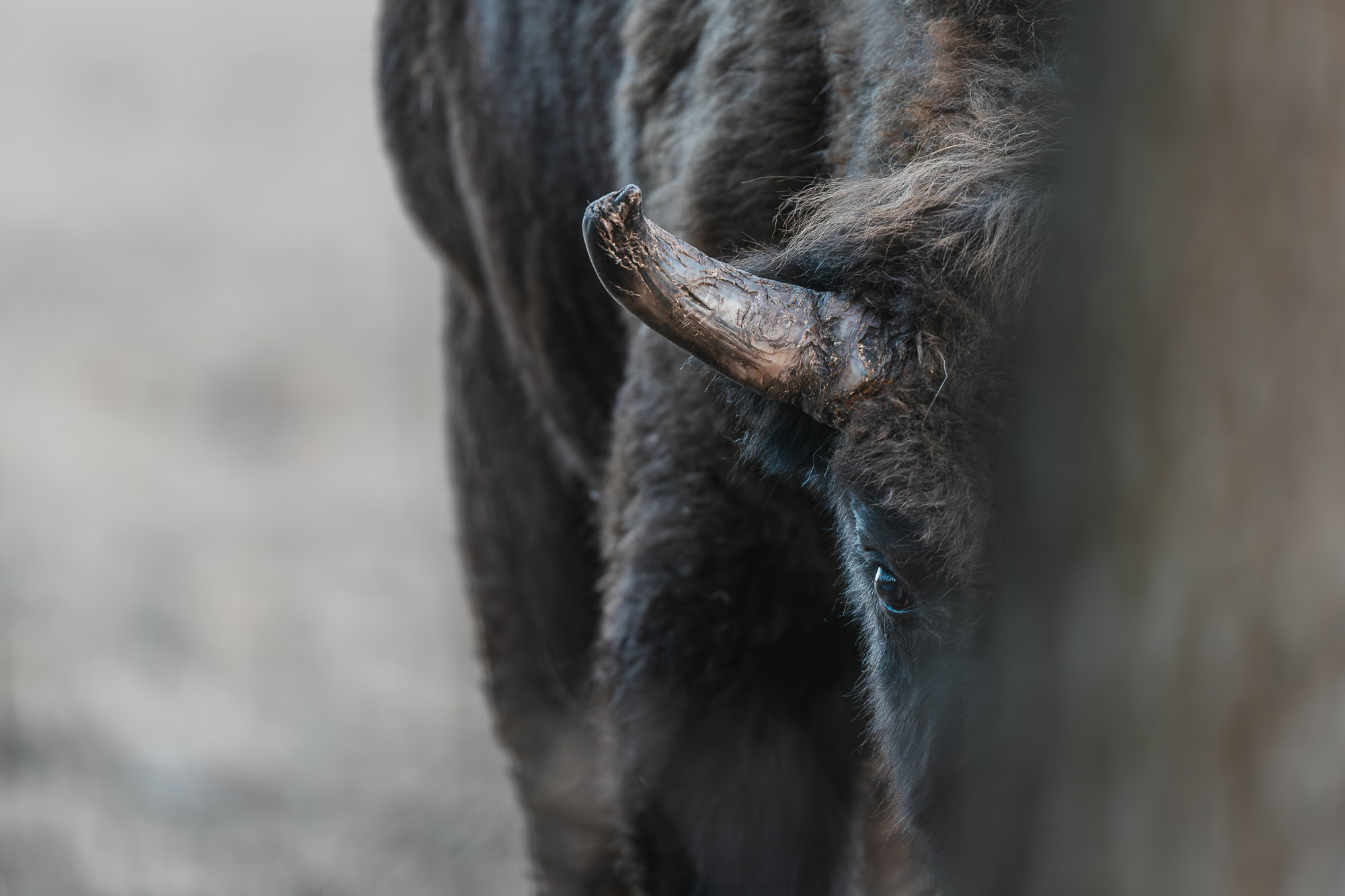
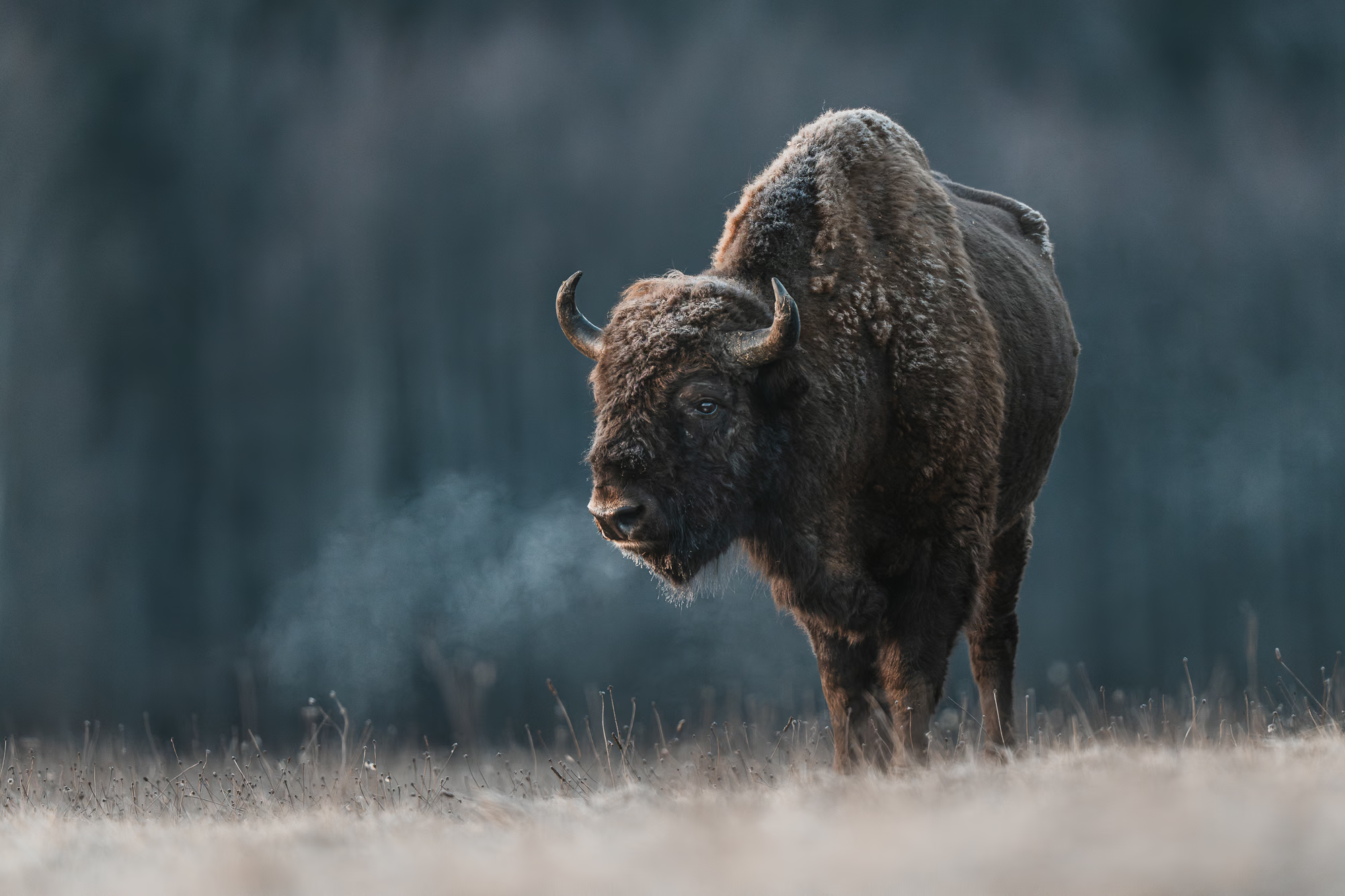
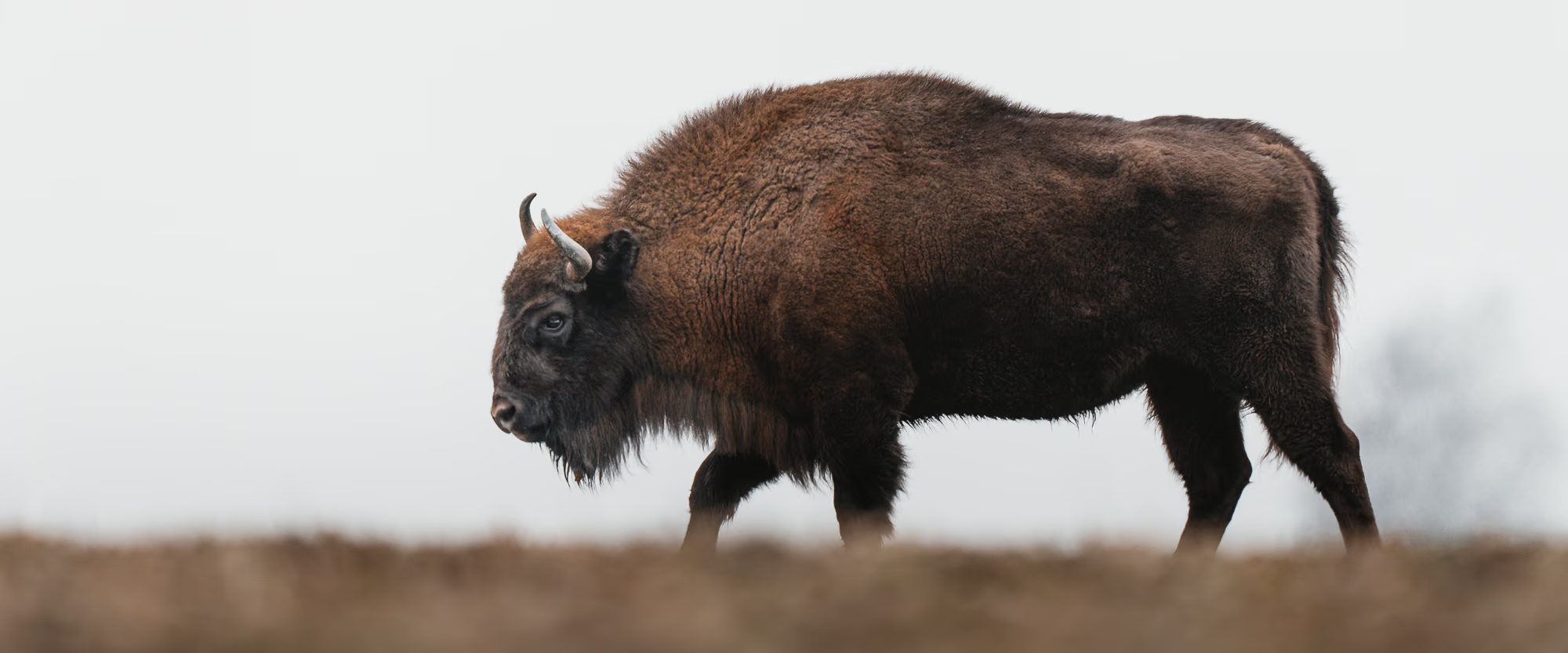
The bison was only reintroduced to the national park in 1952, after the species was considered extinct throughout Europe at the beginning of the 20th century.
Today, over 2,000 bison live in Poland again, and over 800 of them in Białowieża National Park. This makes them the largest group of free-roaming bison in Europe.
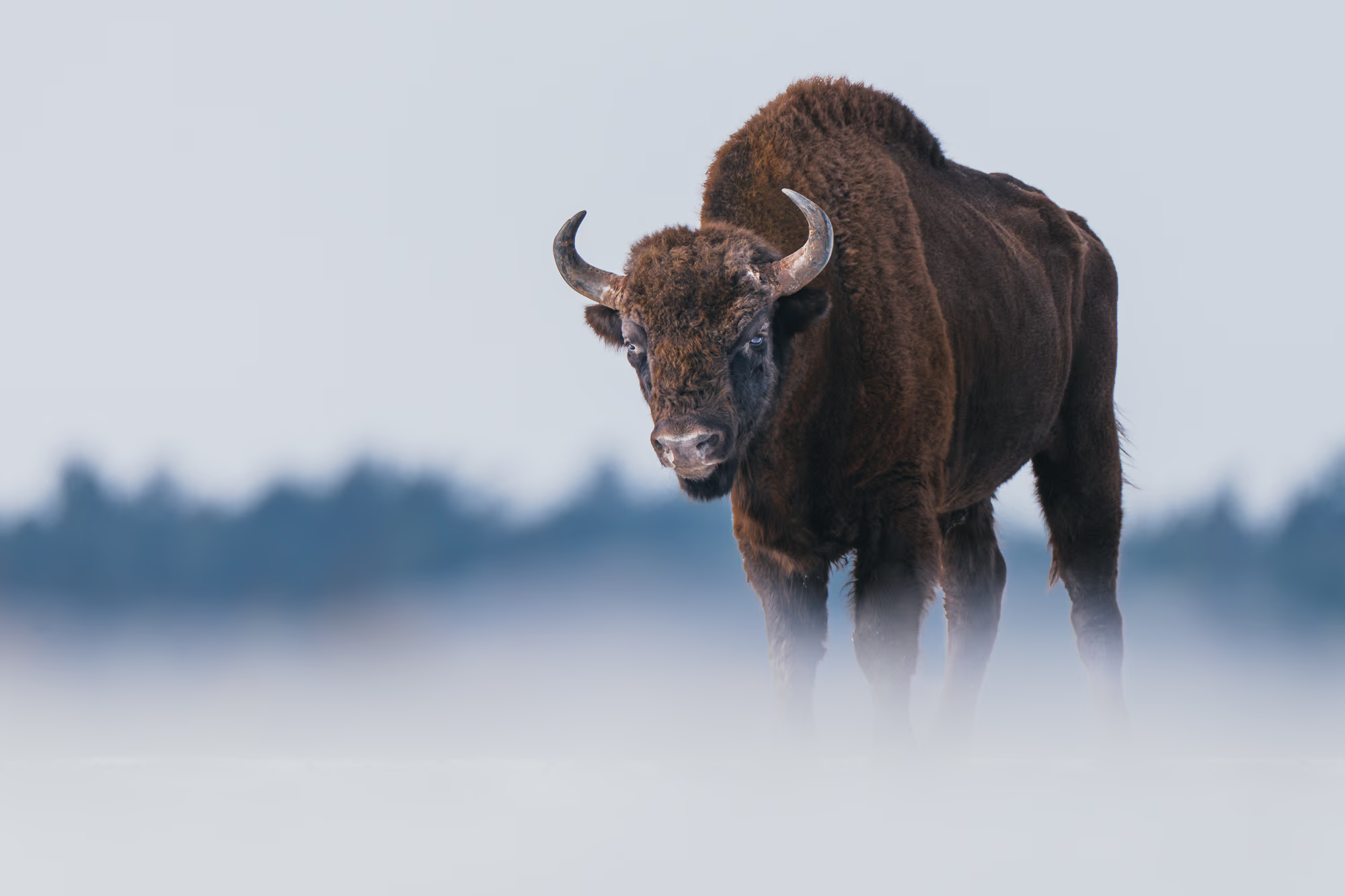
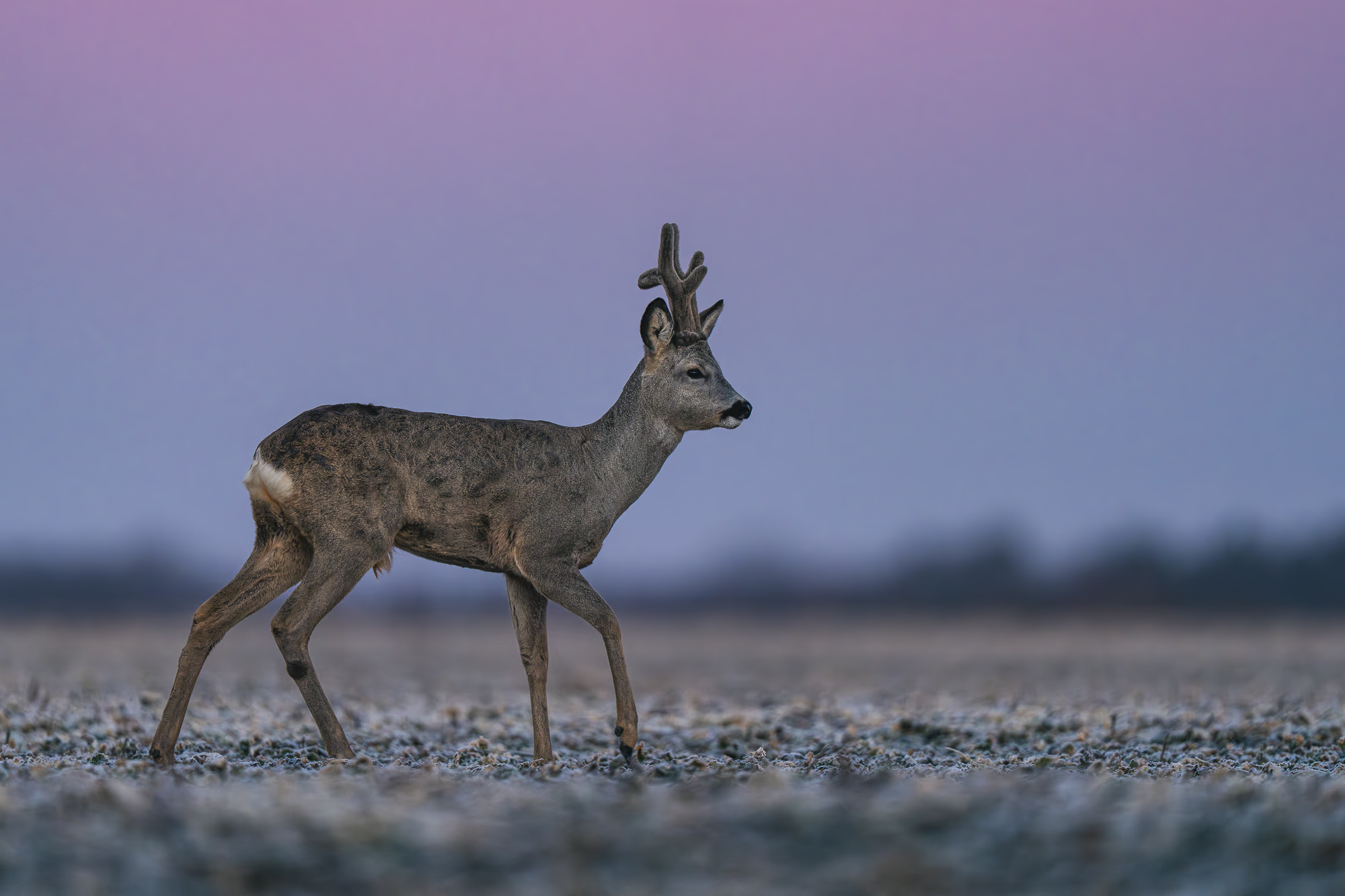
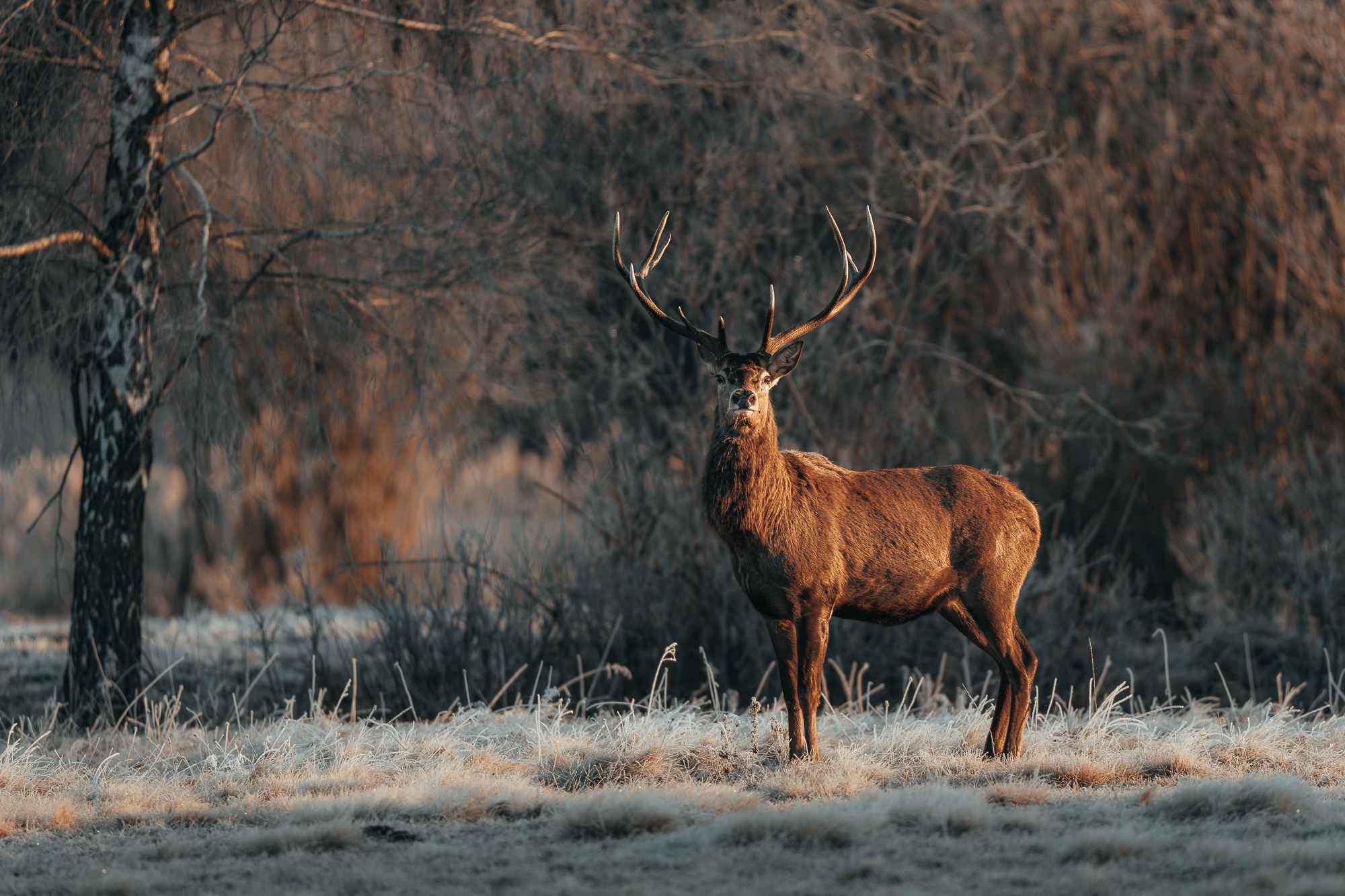
Being a wildlife photographer here is like paradise. You never know which animal will cross your path next – like a beautiful stag that emerges from the forest in the rising light of the sun. Nature never ceases to amaze us.